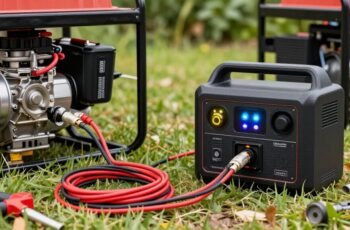
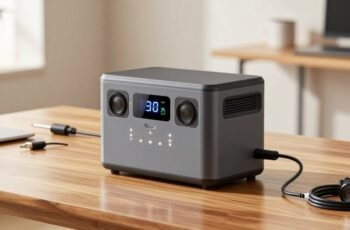
Many assume portable off-grid energy solutions are unreliable or limited in capacity, but advancements in renewable tech prove otherwise. These systems offer efficient, scalable power that can operate independently of traditional infrastructure, making them essential for remote or emergency situations. Their versatility and sustainability are transforming how we think about energy independence. Understanding how these solutions work and their proper application can open new possibilities in off-grid power management, prompting us to explore their full potential.
Key Takeaways
- Portable off-grid energy solutions harness renewable resources like solar, wind, or kinetic power for remote power needs.
- They include lightweight batteries, solar generators, wind turbines, and hybrid systems for flexible deployment.
- Selection depends on power requirements, portability, environmental durability, and sustainability considerations.
- These solutions are ideal for remote construction, outdoor events, emergency response, and areas without grid access.
- Proper maintenance and environmental considerations ensure long-term efficiency, reliability, and minimal ecological impact.
How Do Portable Off-Grid Energy Solutions Work?
Portable off-grid energy solutions operate by harnessing renewable resources such as solar, wind, or kinetic energy, converting them into usable electrical power. Solar panels capture sunlight through photovoltaic cells, generating direct current (DC) electricity that can be stored or used immediately. Wind turbines utilize aerodynamic blades to turn mechanical energy into electrical energy via generators, especially effective in windy environments. Kinetic energy systems, like hand-crank generators, convert human motion into electricity for emergency or low-power needs. Once generated, the electrical energy is typically managed by charge controllers to prevent overcharging and optimize efficiency. Stored in batteries or directly fed into inverters, the power becomes usable for a variety of off-grid applications. These systems are designed with modular components, enabling scalability and adaptability to diverse energy demands.
Top Types of Portable Power Sources for Off-Grid Use
When selecting off-grid power solutions, understanding the top types of portable energy sources is essential for ensuring reliable and efficient energy access. Among these, lithium-ion batteries stand out for their high energy density, fast charging, and long lifespan, making them ideal for diverse applications. Solar generators combine photovoltaic panels with integrated storage, offering renewable, silent power suitable for remote locations. Fuel-based generators, such as propane or diesel, deliver high output and dependability but require fuel management and maintenance. Portable wind turbines harness wind energy in suitable environments, providing a consistent power flow in windy conditions. Ultimately, advanced chemical batteries and hybrid systems integrate multiple sources, optimizing energy reliability and efficiency for off-grid use. Each type offers unique advantages tailored to specific energy demands and environmental conditions.
How to Choose the Right Portable Energy Solution for Your Needs
Selecting the most suitable portable energy solution requires a precise assessment of your power needs to guarantee reliable performance. We must also consider portability and durability, balancing weight and robustness for the intended environment. By evaluating these factors, you can identify a system that maximizes efficiency and resilience for your off-grid applications.
Power Needs Assessment
To effectively choose the right portable energy solution, we must first assess our actual power requirements by analyzing the specific devices and equipment we intend to operate. This involves calculating total wattage, understanding peak versus continuous power needs, and estimating usage duration. By doing so, we can identify critical factors that influence capacity and performance.
Consider these key steps:
- Identify essential devices—prioritize equipment crucial for your activities.
- Calculate wattage—determine the power draw of each device.
- Estimate usage time—predict how long each device needs power daily.
- Assess surge demands—account for startup power spikes to guarantee reliable operation.
This precise analysis enables us to match energy solutions with real needs, optimizing efficiency and reliability.
Portability and Durability
Choosing the right portable energy solution hinges on balancing portability with durability to guarantee reliable performance in diverse environments. We evaluate weight, size, and ruggedness to assure the system withstands harsh conditions while remaining manageable. Durability factors include weather resistance, shock absorption, and material quality, essential for longevity. A lightweight design facilitates mobility, but must not compromise robustness.
| Criterion | Considerations |
|---|---|
| Weight | Ease of transport, strain on user |
| Size | Fit for storage, portability in different settings |
| Weather Resistance | IP ratings, sealed enclosures, material resilience |
| Shock Resistance | Impact protection, rugged casings |
| Material Quality | Corrosion-resistant, high-strength components |
Benefits of Using Portable Off-Grid Energy Systems
Portable off-grid energy systems offer significant advantages by providing reliable power in remote or emergency situations, where traditional infrastructure is unavailable or impractical. These systems guarantee continuous operation in critical moments, reducing dependence on grid stability. The benefits include:
- Enhanced resilience, enabling us to maintain essential functions during outages or disasters.
- Flexibility and scalability, allowing customization for diverse energy needs across various environments.
- Cost-effectiveness, eliminating the expenses associated with extended grid infrastructure.
- Environmental sustainability, utilizing renewable sources like solar or wind to reduce carbon footprints.
Tips for Maintaining and Extending the Life of Portable Power Devices
Maintaining ideal charging practices and performing regular device upkeep are essential for maximizing the lifespan of portable power solutions. Properly managing charge cycles prevents battery degradation, while routine inspections can identify potential issues early. Implementing these strategies ensures reliable performance and extends the effective use of your off-grid energy systems.
Proper Charging Practices
To optimize the lifespan of your off-grid energy solutions, adopting proper charging practices is essential. Correct procedures preserve battery health and ensure reliable power when needed most. Here are key practices to follow:
- Avoid Deep Discharges – Keep charge levels above 20% to prevent stress on the battery’s chemistry.
- Charge at Moderate Rates – Use chargers designed for your device’s specifications to minimize heat and stress.
- Maintain Optimal Temperature – Charge within recommended temperature ranges, typically between 32°F and 113°F (0°C – 45°C), to prevent capacity loss.
- Use Quality Power Sources – Always connect to stable, certified power sources to avoid voltage fluctuations that can damage internal components.
Implementing these practices maximizes efficiency, prolongs device life, and guarantees dependable off-grid power.
Regular Device Maintenance
Regular device maintenance is essential to guarantee your off-grid energy solutions perform reliably over time. Proper upkeep reduces the risk of failure, enhances efficiency, and prolongs device lifespan. Regular inspections should focus on connectors, cables, and battery health, ensuring no corrosion or damage. Periodic cleaning removes dust and debris that can impair performance. Firmware updates optimize device functionality and security, while calibration maintains accurate energy readings.
| Maintenance Step | Purpose |
|---|---|
| Visual Inspection | Detect physical damage and corrosion |
| Cleaning | Remove dust, dirt, and debris |
| Firmware Updates | Improve performance and security |
| Battery Check | Ensure ideal charge cycles and longevity |
| Calibration | Maintain precise energy measurement |
Comparing Cost, Efficiency, and Sustainability of Portable Options
When evaluating portable off-grid energy solutions, it’s essential to compare their costs, efficiencies, and sustainability metrics objectively.
- Initial Investment: Some systems require significant upfront costs, but offer long-term savings through durability and low maintenance.
- Energy Conversion Efficiency: High-efficiency options minimize wasted energy, delivering more power per unit of input.
- Operational Sustainability: Renewable sources like solar or wind reduce environmental impact, ensuring long-term viability.
- Lifecycle Impact: Consider the full environmental footprint—from manufacturing to disposal—to make truly sustainable choices.
Real-Life Applications: When and How to Use Portable Off-Grid Energy
Portable off-grid energy solutions are most effective in scenarios requiring reliable power access beyond traditional infrastructure, such as remote construction sites, outdoor events, or emergency response operations. These systems are designed for quick deployment, offering scalable power where grid connectivity is unavailable or unreliable. For construction, portable energy guarantees continuous operation of tools and safety systems, reducing downtime. During outdoor events, it provides clean, silent power for lighting, sound, and equipment, enhancing user experience. In emergencies, portable solutions deliver essential power for communication devices, medical equipment, and shelter needs, often under extreme conditions. To maximize effectiveness, it’s imperative to match the system’s capacity with specific energy demands and consider ruggedness for harsh environments. Proper usage ensures uninterrupted, sustainable power supply tailored to each scenario.
Frequently Asked Questions
Are Portable Off-Grid Energy Solutions Safe for Indoor Use?
Portable off-grid energy solutions can be safe indoors if they’re designed with proper ventilation, safety features, and adhere to electrical standards. We recommend following manufacturer instructions and consulting professionals to guarantee safe, reliable indoor use and prevent hazards.
How Long Do Portable Batteries Typically Last on a Single Charge?
Like a superhero’s power, portable batteries typically last between 8 to 24 hours on a single charge, depending on usage, capacity, and connected devices, with advanced tech extending lifespan and optimizing energy efficiency for innovative off-grid solutions.
Can Portable Energy Systems Power High-Demand Appliances?
Yes, portable energy systems can power high-demand appliances, but it depends on their watt-hour capacity and surge power ratings. We design these systems with high-capacity batteries and robust inverters to handle peak loads efficiently.
What Are the Best Portable Options for Cold or Extreme Weather Conditions?
When the going gets tough, the tough get portable. We recommend rugged lithium-ion battery packs, insulated solar generators with high wattage, and fuel-based heaters combined with robust inverters for reliable cold weather power.
Are There Eco-Friendly Portable Energy Solutions Available?
Yes, eco-friendly portable energy solutions exist, utilizing solar, wind, and bioenergy technologies. These systems are innovative, sustainable, and efficient, offering reliable power while minimizing environmental impact, perfect for off-grid or emergency applications.
Conclusion
Together, we can harness the sun’s rays, the wind’s whisper, and human kinetic energy to power our adventures beyond the grid. These portable systems act as our reliable, silent partners, seamlessly blending sustainability with innovation. By choosing and maintaining the right solutions, we guarantee a steady flow of clean energy—like a steady stream in a remote wilderness—fueling progress while minimizing environmental impact. It’s our collective step toward a resilient, off-grid future.