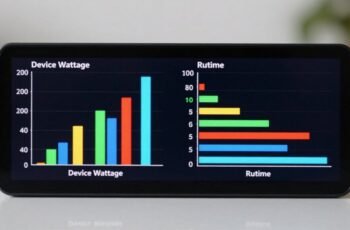
When considering how to charge a power station with a generator, it’s essential we comprehend the technical requirements and safety protocols involved. Ensuring compatibility between the generator’s output and the station’s input specifications is critical to prevent damage, while proper connection and monitoring techniques are necessary for efficiency and safety. The process involves precise steps that, if overlooked, could compromise equipment integrity or safety. Let’s explore these procedures to establish a reliable, safe charging method that maximizes equipment lifespan.
Key Takeaways
- Ensure generator output matches the power station’s voltage, frequency, and wattage requirements before connecting.
- Use properly rated, secure cables with correct connectors to establish a safe, stable connection.
- Ground the generator adequately to prevent electrical shocks and maintain safety during charging.
- Monitor voltage, current, and temperature continuously to prevent overloads and equipment damage.
- Follow safety precautions like proper ventilation, fuel handling, and personal protective equipment during operation.
How Does Charging a Power Station With a Generator Work?
When charging a power station with a generator, the process involves converting mechanical energy into electrical energy through electromagnetic induction. The generator contains a rotor and a stator; when the rotor spins, it creates a changing magnetic field within the stator’s windings. This variation induces an electromotive force (EMF) based on Faraday’s law, producing alternating current (AC). The generator’s design guarantees efficient magnetic flux transfer, maximizing energy transfer to the power station’s battery system or inverter. The electrical output’s voltage and frequency depend on the generator’s rotational speed and coil configuration. This conversion process allows the power station to be recharged effectively, provided the generator maintains a stable mechanical input, assuring consistent electrical output aligned with the power station’s charging requirements.
Choosing the Right Generator for Your Power Station
Selecting the appropriate generator for your power station requires a careful assessment of your energy demands, compatibility considerations, and operational conditions. We need to analyze the total wattage of devices to guarantee the generator’s rated output exceeds peak load requirements, minimizing overload risk. Compatibility involves verifying voltage and frequency matches, alongside connector types and fueling options, to assure seamless integration. Operational conditions, such as noise restrictions, portability needs, and environmental factors, influence generator selection. For instance, inverter generators provide cleaner power suitable for sensitive electronics, while larger open-frame models support heavier loads. Precise evaluation of these technical parameters ensures reliable, efficient charging without risking damage to your power station or generator. This analytical approach optimizes system performance and longevity.
Preparing Your Generator and Power Station for Charging
Before connecting your generator to the power station, we must verify that their power ratings are compatible to prevent overloading or underperformance. Next, inspecting cables and ports for damage guarantees reliable conductivity and minimizes the risk of faults during charging. Finally, establishing a stable power supply through proper grounding and consistent output is essential to maintain safe and efficient charging conditions.
Check Power Compatibility
Have you verified that your generator’s power output aligns with the charging specifications of your power station? Ensuring compatibility prevents damage and optimizes efficiency. First, check the generator’s rated wattage against the power station’s input requirements, focusing on continuous power rather than surge capacity. Second, confirm the voltage output matches the station’s input specifications, avoiding overvoltage or undervoltage conditions. Third, verify the frequency stability—most portable generators operate at 50Hz or 60Hz, which must align with the power station’s design.
- Rated wattage vs. input wattage requirements
- Voltage output consistency
- Frequency stability and regulation
Inspect Cables and Ports
How do we guarantee that our cables and ports are properly prepared for charging? First, we conduct a visual inspection for physical damage, such as frayed wires, corrosion, or bent connectors, which can compromise conductivity. We then verify that the cables are rated for the power output specified by the manufacturer, ensuring they meet safety standards and are compatible with both the generator and the power station. Ports are examined for debris, dust, or oxidation that could impede electrical contact. We confirm connectors fit securely without excessive force, preventing loose connections that could cause voltage fluctuations or arcing. This meticulous assessment minimizes resistance and enhances efficiency, reducing potential risks during charging. Properly inspected cables and ports are essential for a safe, stable, and efficient power transfer process.
Ensure Stable Power Supply
After verifying that cables and ports are in ideal condition, the next step involves ensuring the generator and power station can provide a stable and consistent power supply. Fluctuations or interruptions can damage sensitive electronics and reduce charging efficiency. To achieve this, we focus on the following:
- Use a quality voltage regulator to smooth out fluctuations and maintain steady output.
- Monitor load levels carefully, avoiding overloads that cause voltage dips or surges.
- Ensure proper grounding of the generator to prevent electrical noise and potential damage.
Connecting Your Generator to the Power Station Safely
Ensuring a safe connection requires selecting appropriate cables that match both the power station and generator specifications. We must verify voltage compatibility to prevent damage and establish proper grounding procedures to mitigate electrical hazards. Attention to these points guarantees a secure, effective charging setup.
Use Proper Cables
Using the correct cables is essential for a safe and efficient connection between your generator and power station. Proper cables guarantee minimal power loss, prevent damage, and reduce safety risks. When selecting cables, focus on gauge, insulation, and connector type.
- Gauge: Use thick enough cables to handle the current without overheating.
- Insulation: Confirm insulation can withstand environmental conditions and voltage.
- Connectors: Match connectors to both the generator and power station ports to ensure a secure fit.
Incorrect cables can cause voltage drops, overheating, or electrical faults. Always verify cable specifications align with your device requirements and adhere to safety standards. Precise cable selection optimizes performance and maintains safety during power transfer.
Confirm Voltage Compatibility
Verifying that the voltage output of your generator matches the input requirements of your power station is essential for safe operation. Mismatched voltages can cause equipment damage or safety hazards. First, consult the generator’s voltage specifications, typically found on the data plate, and compare them with your power station’s input ratings. Use a multimeter to measure the generator’s output directly, ensuring it aligns with the power station’s requirements.
| Generator Voltage | Power Station Input |
|---|---|
| 120V (single-phase) | 120V (single-phase) |
| 240V (single-phase) | 240V (single-phase) |
| 208V (three-phase) | 208V (three-phase) |
| 480V (three-phase) | 480V (three-phase) |
Matching these values guarantees compatibility and safe operation.
Establish Grounding Procedures
To connect your generator to the power station safely, establishing a proper grounding procedure is critical to prevent electrical shocks and equipment damage. Proper grounding guarantees any fault current is safely directed into the earth, reducing risk. First, verify that the ground rod or grounding system is compliant with local electrical codes. Next, connect the generator’s grounding terminal to the ground rod using a copper grounding wire, ensuring solid contact. Finally, check that all connections are secure and insulated to prevent accidental disconnection or short circuits.
Key grounding practices include:
- Guaranteeing the ground rod is driven deep into moist soil for conductivity
- Using a grounding wire of appropriate gauge and corrosion resistance
- Confirming all connections are tight and free of corrosion for maximum safety
Monitoring the Charging Process to Prevent Damage
Monitoring the charging process is vital to prevent damage to the power station and guarantee safety. We systematically track voltage, current, and temperature levels during charging to detect anomalies early. Consistent measurement of voltage guarantees it stays within manufacturer-specified limits, preventing overvoltage that could harm internal components. Current monitoring helps identify excessive draw, which may indicate faults or improper connections. Temperature sensors provide real-time data, alerting us to overheating risks that can compromise battery integrity. We utilize automated systems to log data continuously, enabling prompt response to deviations. This approach allows for immediate adjustments or shutdowns, minimizing the risk of damage. Precise monitoring ensures ideal charging conditions, prolongs component lifespan, and maintains overall system safety during generator-powered charging.
Best Practices for Efficient and Safe Charging
Implementing best practices during the charging process enhances both efficiency and safety, guaranteeing the power station operates reliably over time. To optimize charging, we recommend:
- Using a generator with a stable output voltage and frequency to prevent voltage spikes or fluctuations that could damage the power station’s circuitry.
- Monitoring the generator’s load capacity to avoid overloading, which can lead to inconsistent power delivery and potential safety hazards.
- Employing proper grounding techniques to reduce electrical noise and eliminate the risk of electrical shock or equipment damage.
Adhering to these practices ensures consistent power flow, minimizes wear on components, and maintains safe operational conditions. Precise control over input parameters is essential for maximizing lifespan and performance of the power station during generator charging.
Troubleshooting Common Charging Issues With Generators
When charging a power station with a generator, encountering issues such as inconsistent power delivery or failure to charge is common, often stemming from underlying electrical or equipment-related faults. These problems typically originate from voltage fluctuations, insufficient power output, or faulty connections. Variations in generator RPM can cause unstable voltage, disrupting the charging process. Additionally, damaged or loose cables can hinder proper power transfer, resulting in incomplete charging or equipment shutdowns. Overloading the generator beyond its capacity may trigger automatic shutdowns, preventing proper charging. Diagnosing these issues requires verifying generator stability, confirming correct cable connections, and verifying the generator’s power output matches the power station’s requirements. Addressing these factors systematically enhances reliability and guarantees consistent charging performance.
Important Safety Precautions When Using Generators
To guarantee safe operation when using generators to charge power stations, it’s essential to follow strict safety precautions that minimize the risk of electrical hazards and equipment damage. Proper ventilation is critical to prevent carbon monoxide buildup, which can be fatal in enclosed spaces. Ensuring the generator is grounded reduces the risk of electrical shock. Additionally, handling fuel with care and refueling only when the generator is off prevents fire hazards.
- Use appropriate personal protective equipment (PPE), such as gloves and eye protection.
- Maintain a safe distance from the generator during operation.
- Regularly inspect cables and connections for wear or damage before use.
Adhering to these precautions ensures safe, reliable power transfer and prolongs equipment lifespan.
Maintaining Your Generator and Power Station for Longevity
Regular maintenance is crucial to guarantee the longevity and peak performance of both your generator and power station. Systematic inspections should focus on engine components, fuel systems, and electrical connections to detect wear or corrosion early. Regular oil changes reduce engine friction and prevent overheating, directly impacting operational lifespan. Battery health must be monitored through voltage checks and electrolyte levels, ensuring maximum charge retention. Cleaning air filters and cooling fins prevents dust accumulation, which can cause overheating or inefficiency. Additionally, running the generator periodically under load helps identify potential issues and maintains mechanical integrity. Proper storage, keeping units in a dry, ventilated environment, minimizes corrosion risks. These practices collectively enhance functionality, reduce downtime, and extend the service life of your equipment.
Frequently Asked Questions
Can I Charge My Power Station With Any Type of Generator?
Yes, you can charge your power station with most generators, but guaranteeing the generator supplies the correct voltage, wattage, and clean AC power is vital to prevent damage and ensure safe, efficient charging.
How Long Does It Typically Take to Fully Charge a Power Station Using a Generator?
Charging a power station with a generator typically takes 4 to 8 hours, depending on the generator’s wattage and the station’s capacity. We analyze power output, efficiency, and charging rate to estimate precise durations accurately.
Is It Safe to Leave the Generator Running Unattended During Charging?
Leaving the generator unattended during charging isn’t recommended due to potential safety hazards like overheating or fuel leaks. We advise monitoring the process continuously, ensuring proper ventilation, and adhering to manufacturer safety guidelines for safe, efficient operation.
Do I Need Special Cables or Adapters for Connecting the Generator and Power Station?
Connecting a generator to a power station requires standard cables with compatible connectors; no special adapters are usually necessary, but we always recommend consulting the user manuals to guarantee safety and ideal performance, avoiding potential damage or hazards.
How Does Ambient Temperature Affect the Charging Process With a Generator?
Ambient temperature substantially impacts charging efficiency; higher temperatures can cause overheating and reduced battery performance, while lower temperatures slow chemical reactions, decreasing charging speed. We monitor temperature closely to optimize charging conditions and protect the power station’s longevity.
Conclusion
In mastering the art of charging a power station with a generator, we become custodians of energy flow—balancing precision and safety like a conductor guiding a symphony. Proper connections and vigilant monitoring guarantee the harmony of voltage and current, safeguarding our devices’ longevity. By adhering to best practices, we forge a resilient link between source and load, transforming raw power into sustainable energy—an enduring proof of our technical stewardship and unwavering commitment to safety.