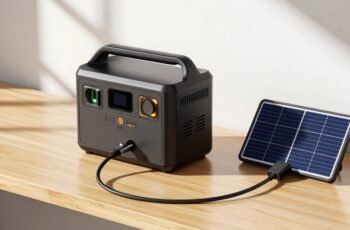
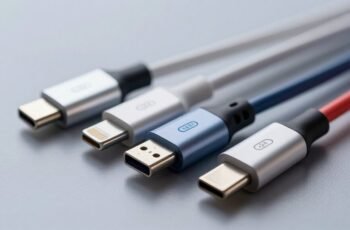
Just as a conductor orchestrates harmony among diverse instruments, USB-C charging power stations coordinate multiple devices with precision. These advanced hubs leverage Power Delivery technology to deliver high wattage efficiently, ensuring fast and reliable charging for laptops, smartphones, and more. Understanding their features, capabilities, and selection criteria is essential for optimizing device management—details that can substantially impact your daily power needs and overall workflow.
Key Takeaways
- USB-C charging power stations serve as centralized hubs to power multiple devices simultaneously using high-wattage USB-C Power Delivery technology.
- They feature multiple ports, including USB-C with PD support, to deliver fast, efficient charging for various electronics.
- Key factors include wattage capacity, port configuration, safety features, and compatibility with charging standards like PD and QC.
- Selecting the right station depends on assessing device power needs and ensuring portability, durability, and thermal management.
- Proper usage and storage practices, such as maintaining optimal battery levels and avoiding thermal stress, extend the station’s lifespan and charging efficiency.
What Are USB-C Charging Power Stations and How Do They Work
Although USB-C charging power stations are relatively new, they are designed to efficiently supply power to multiple devices simultaneously through a centralized hub. These stations utilize USB-C Power Delivery (PD) technology, which enables high wattage transfer, often up to 100W, ensuring rapid charging. Internally, they contain advanced circuitry that manages power distribution, prioritizing connected devices based on their power needs. The stations incorporate multiple USB-C ports, each capable of delivering optimized power levels, and may include additional USB-A or other port types for broader compatibility. Power regulation modules monitor voltage and current flow, preventing overloads and ensuring safety. Overall, these stations streamline power management by consolidating charging functions into a single, compact device, enhancing efficiency and reducing clutter.
Key Features to Look for in a USB-C Power Station
When selecting a USB-C power station, it’s vital to prioritize features that guarantee efficient, safe, and versatile charging. Key considerations include power output capacity, which should match your device requirements—often measured in watts—to ensure fast charging without damage. Look for multiple USB-C ports with Power Delivery (PD) support, enabling simultaneous high-speed charging for multiple devices. Built-in safety features, such as overcurrent, overvoltage, and short-circuit protection, are critical for device safety and longevity. Compact, durable design with reliable thermal management ensures consistent performance and portability. Compatibility with various charging standards and protocols enhances versatility across a broad range of devices. Finally, an LED indicator or display for real-time status updates aids in monitoring charging progress and power consumption.
Comparing Top USB-C Charging Power Stations on the Market
With a variety of USB-C charging power stations available, evaluating their features side by side helps identify the best fit for specific needs. Top models differ primarily in power output, port configurations, and charging protocols. For example, the Anker PowerHouse 200 offers 200W total power with multiple USB-C ports supporting Power Delivery (PD), making it suitable for charging laptops and multiple devices simultaneously. Conversely, the RAVPower PD Pioneer provides a compact design with 60W output, ideal for portability. The Zendure SuperTank features a large capacity battery with up to 100W charging, suitable for longer trips. While all support fast charging standards, differences in port count, wattage, and device compatibility influence most suitable selection. Comparing these features ensures users select a station aligned with their power requirements and device ecosystem.
How to Choose the Right USB-C Power Station for Your Needs
Selecting the right USB-C power station requires a clear understanding of your specific power needs and device ecosystem. First, assess total power requirements by listing devices and their wattages. Consider port configuration: do you need multiple high-power outputs or a mix of fast-charging and lower-power ports? Compatibility with your devices’ charging protocols, such as Power Delivery or QC, is essential.
| Device Type | Power Requirement |
|---|---|
| Smartphone | 18-30W |
| Laptop | 45-100W |
| Tablet | 30-45W |
| Port Type | Use Case |
| USB-C Power Delivery | High wattage, fast-charging |
| USB-C Standard | Lower-power devices |
| Multiple Ports | Simultaneous device charging |
Tips for Maximizing Battery Life and Charging Efficiency
To maximize battery life and charging efficiency, it’s essential to enhance both device usage and charging habits. Maintaining ideal charging levels—keeping batteries between 20% and 80%—reduces stress and prolongs lifespan. Avoid frequent full discharges or constant top-offs, as these accelerate capacity degradation. Using a power station with adaptive charging technology ensures voltage and current are regulated precisely, minimizing heat and electrochemical stress. Enable any device-specific power management settings to optimize energy consumption. When possible, connect devices directly to a power station with high efficiency ratings to reduce energy loss. Additionally, store power stations in cool, dry environments to prevent thermal stress, which can impair battery chemistry. Implementing these practices ensures prolonged battery health and enhances overall charging efficiency.
Common Questions About USB-C Charging Power Stations
When selecting a USB-C charging power station, compatibility with various devices is essential to guarantee reliable performance. Understanding the power delivery capabilities helps us match the station’s output to your device’s requirements for maximum charging speed. Clarifying these technical aspects allows for informed decisions and efficient power management.
Compatibility With Devices
Are USB-C charging power stations truly compatible with a wide range of devices? Yes, but compatibility depends on the device’s USB-C port specifications. Most modern smartphones, tablets, and laptops incorporate the USB-C standard, allowing these stations to deliver power effectively. However, some devices require specific protocols or power levels, which may limit compatibility. Devices with USB-C ports supporting Alternate Modes, such as video output or data transfer, generally work seamlessly. Older devices or those with proprietary charging ports may not be compatible without adapters. It’s essential to verify whether your device supports the standard USB-C charging protocols and power levels. While universal in design, precise compatibility hinges on matching device specifications with the power station’s output capabilities.
Power Delivery Capabilities
Power delivery capabilities are a key factor in determining how effectively a USB-C charging power station can meet various device needs. These capabilities define the maximum wattage the station can supply, directly impacting charging speed and device compatibility. Higher power delivery ratings, such as 60W or 100W, enable rapid charging for laptops, tablets, and smartphones, guaranteeing minimal downtime. Precise control over voltage and current ensures safe, efficient power transfer across multiple ports. Power delivery protocols also facilitate negotiation between the station and connected devices, optimizing the power flow. When evaluating a power station, it’s vital to consider its maximum power output, compatibility with Power Delivery standards, and ability to handle simultaneous device charging without voltage drops. This guarantees reliable, efficient performance tailored to demanding devices.
Frequently Asked Questions
Can USB-C Power Stations Charge Multiple Devices Simultaneously?
Yes, USB-C power stations can charge multiple devices simultaneously, thanks to multiple ports and high wattage output. We guarantee proper power distribution, allowing efficient, concurrent charging for smartphones, tablets, laptops, and other compatible devices without sacrificing charging speed or safety.
Are USB-C Charging Power Stations Compatible With All Devices?
Like a universal adapter, USB-C power stations are broadly compatible, but not with everything. We verify device specifications and port standards to guarantee seamless charging, recognizing some older or specialized devices may require additional adapters or power sources.
How Safe Are USB-C Power Stations for Sensitive Electronics?
We find USB-C power stations generally safe for sensitive electronics when they include built-in protections like voltage regulation, overcurrent, and short-circuit safeguards. Always choose certified models to guarantee compatibility, reliability, and minimize potential damage risks.
What Is the Typical Lifespan of a USB-C Power Station?
Typically, a USB-C power station lasts between 2 to 5 years, depending on usage, quality, and maintenance. We recommend regular inspections, proper handling, and choosing reputable brands to maximize lifespan and guarantee consistent performance.
Do USB-C Power Stations Support Fast Charging Standards?
Yes, USB-C power stations support fast charging standards like Power Delivery and Quick Charge, enabling devices to charge in a flash—sometimes as fast as a lightning bolt striking, delivering rapid power transfer with exceptional efficiency and precision.
Conclusion
In essence, USB-C charging power stations are the command centers of our digital lives, seamlessly orchestrating power flow like a finely tuned symphony. They transform cluttered cables into a streamlined network, ensuring each device receives its ideal charge. As technology advances, these stations become essential hubs—compact, resilient, and intelligent—guiding us through a connected world where efficiency and reliability are the standard. Embrace this technological evolution, and let your devices thrive in harmony.