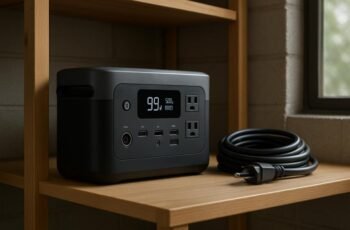
Many assume that portable power solutions are simply about providing electricity, but in reality, selecting the right system involves a complex analysis of environmental conditions, power demands, and device compatibility. We must consider durability, efficiency, and safety alongside logistical constraints, especially in remote locations where operational continuity is critical. Understanding these factors is essential to avoid costly failures and ensure reliable energy access—yet, pinpointing the most suitable solution requires a detailed evaluation of available options.
Key Takeaways
- Choose durable, rugged power devices like lithium-ion batteries or fuel-based generators suited for harsh environments.
- Match power requirements with appropriate solutions such as solar generators or power stations for reliable operation.
- Prioritize portability factors like weight and size to ensure easy transport in remote or challenging locations.
- Ensure compatibility of output ports and voltage to safely power various devices and equipment.
- Regularly inspect and maintain batteries and connections to maximize lifespan and ensure safe, efficient use.
What Are the Best Types of Portable Power Devices for Remote Locations
When selecting portable power devices for remote locations, it’s essential to take into account their energy capacity, durability, and recharge options. Lithium-ion batteries are among the most efficient, offering high energy density and reliable performance in varied conditions. For extended use, solar generators combine solar input with substantial storage capacity, enabling sustainable operation without grid access. Fuel-based generators, such as gas or diesel, provide high output and durability but require fuel logistics and maintenance. Recent advancements include hybrid systems that integrate multiple sources, optimizing efficiency and resilience. Durability factors—such as ruggedized casings and resistance to environmental stressors—are key for harsh environments. Ultimately, the choice depends on balancing capacity, environmental resilience, and recharge versatility to guarantee continuous operation in remote settings.
How to Choose the Right Portable Power Solution for Your Needs
How do we determine the most suitable portable power solution for specific needs? We start by analyzing power requirements, including wattage and runtime, to guarantee capacity aligns with operational demands. Next, we evaluate energy sources—whether solar, battery, or hybrid—based on availability and sustainability goals. Portability factors, such as weight, size, and durability, influence deployment in challenging environments. We also consider input/output compatibility with existing devices, guaranteeing seamless integration without voltage or connector issues. Efficiency and recharge times are critical for maintaining continuous operation, especially in remote settings. Finally, we assess reliability, warranty, and user support, which are essential for long-term functionality. This systematic, data-driven approach ensures selecting a power solution that perfectly balances performance, convenience, and resilience.
Comparing Solar Generators, Power Stations, and Battery Packs
Understanding the differences between solar generators, power stations, and battery packs helps us select the best portable power solution for specific applications. Solar generators typically integrate solar input with an inverter and battery storage, making them ideal for renewable energy use but limited by their size and output capacity. Power stations are larger, more versatile systems with higher wattage outputs, multiple ports, and advanced features like AC/DC options, suited for heavy-duty tasks and extended use. Battery packs are compact, lightweight units designed for quick, short-term power needs, often limited in capacity and output, making them suitable for small devices or backup power. Analyzing these parameters allows us to match each solution’s technical capabilities with the demands of remote applications, ensuring efficient, reliable power management.
Essential Features to Consider When Selecting Portable Power Equipment
Selecting the right portable power equipment requires careful consideration of several critical features that directly impact performance and suitability for specific applications. Key factors include power output, runtime, weight, durability, and connectivity options. Power output must match your load requirements; insufficient capacity leads to system overload, while excess capacity adds unnecessary weight. Runtime depends on battery capacity and usage patterns, influencing operational duration. Durability ensures equipment withstands harsh environments, and connectivity options—such as AC outlets, USB ports, or DC outputs—determine versatility. Here’s a concise comparison:
| Feature | Importance |
|---|---|
| Power Output | Ensures compatibility with devices |
| Runtime | Defines operational duration |
| Weight | Affects portability and ease of transport |
| Durability | Guarantees performance in rugged settings |
| Connectivity | Offers flexibility for diverse device needs |
Tips for Maximizing Battery Life and Charging Efficiency
Maximizing battery life and charging efficiency is essential for guaranteeing reliable power in remote locations, especially when equipment must operate for extended periods without access to mains electricity. To enhance performance, we recommend implementing specific strategies:
- Maintain ideal charge levels, avoiding full discharges or overcharging, which degrade battery capacity over time.
- Use high-quality, compatible chargers to ensure efficient energy transfer and prevent heat buildup that accelerates wear.
- Monitor temperature conditions, as extreme heat or cold can impair chemical reactions within batteries, reducing lifespan and efficiency.
Practical Advice for Using Portable Power Safely and Effectively
To guarantee safety and maximize effectiveness when using portable power sources in remote settings, it’s essential to follow established operational procedures and safety protocols. Properly evaluating power needs ensures appropriate capacity selection, reducing overload risks. Regular inspection of cables, connectors, and batteries prevents faults and short circuits. Using insulated tools and wearing personal protective equipment minimizes electrical hazards. Implementing proper ventilation reduces heat buildup, extending device lifespan. Adhering to manufacturer guidelines for charging and discharging maintains battery integrity. Clearly labeling power sources and establishing emergency shutdown procedures enhance safety during operation. Training personnel on safety protocols ensures consistent adherence, while maintaining logs helps identify recurring issues. By integrating these practices, we optimize power reliability, mitigate risks, and ensure safe, efficient operation in challenging environments.
Frequently Asked Questions
How Long Do Portable Power Devices Typically Last in Continuous Use?
Portable power devices typically last between 6 to 24 hours of continuous use, depending on their battery capacity and power draw. Regular maintenance, efficient energy management, and device specifications critically influence their operational lifespan in remote settings.
Are There Eco-Friendly Portable Power Options Suitable for Sensitive Environments?
Yes, we find eco-friendly options like solar-powered generators and rechargeable batteries suitable for sensitive environments, as they minimize ecological impact, reduce emissions, and promote sustainability, making them ideal for remote, delicate ecosystems requiring minimal disturbance.
Can Portable Power Devices Be Used Underwater or in Wet Conditions?
Yes, portable power devices can operate underwater or in wet conditions when equipped with waterproof enclosures and corrosion-resistant components, ensuring safe, reliable energy transfer. We analyze their IP ratings and sealing standards to guarantee peak performance.
What Maintenance Is Required to Ensure Long-Term Reliability of Portable Power Equipment?
We regularly inspect, clean, and calibrate portable power devices, ensuring proper sealing and drainage to prevent moisture ingress, replacing worn components proactively, and storing equipment in controlled environments to maintain long-term reliability in remote, wet conditions.
How Do Weather Conditions Affect the Performance of Solar-Powered Devices?
Weather conditions considerably impact solar-powered device performance; intense sunlight boosts output, while clouds and rain diminish it. Extreme temperatures can degrade components, requiring careful system design and protective measures to maintain efficiency and reliability in remote environments.
Conclusion
In the end, choosing the perfect portable power solution isn’t just important—it’s a game-changer that can mean the difference between seamless operations and catastrophic failure in remote locations. With the right device, you’re not just powering equipment—you’re ensuring survival, connectivity, and mission success against all odds. Invest wisely, optimize your setup, and harness the full potential of these technologies. Because in extreme environments, only the most reliable power sources can truly guarantee your success.