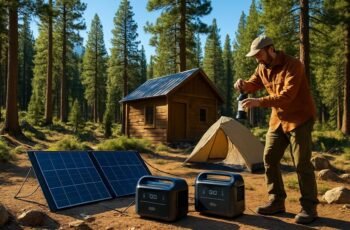
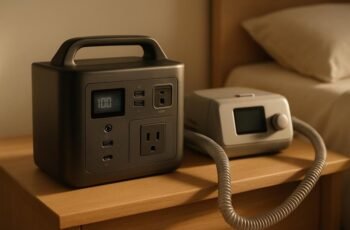
When we rely on portable power stations in demanding environments, waterproofing and ruggedness become critical factors. These devices must resist water, shocks, and corrosion while delivering consistent energy. Understanding the engineering behind their durability—from sealing technologies to battery chemistry—helps us select the right model for tough conditions. But how do these features balance with performance and portability in real-world applications?
Key Takeaways
- Waterproof power stations use IP-rated enclosures and silicone gaskets to prevent water ingress for reliable outdoor use.
- Rugged designs feature shock-absorbing frames, reinforced corners, and corrosion-resistant materials for enhanced durability.
- High-capacity lithium batteries enable longer life, lightweight portability, and efficient energy delivery in extreme conditions.
- Compatibility with various tool voltages and rapid recharge supports continuous on-site operation and emergency power needs.
- Price comparisons should focus on waterproof ratings, battery capacity, output options, and energy efficiency for best value.
What Makes a Power Station Waterproof and Rugged
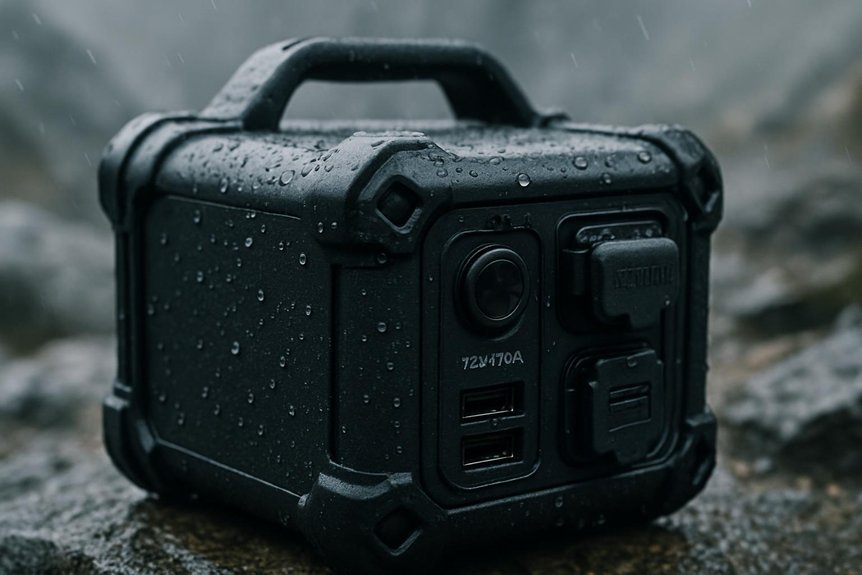
Although many power stations boast portability, not all are designed to withstand harsh environments; what makes a power station truly waterproof and rugged lies in its construction materials, sealing technologies, and protective design features. To meet stringent water resistance standards, manufacturers use high-grade silicone gaskets and IP-rated enclosures that prevent water ingress. Rugged design features often include reinforced corners, shock-absorbing frames, and corrosion-resistant coatings, which collectively enhance durability under mechanical stress and exposure. We must also consider the quality of external ports, ensuring they have waterproof covers that maintain integrity during use. By analyzing these technical elements, we can objectively assess a power station’s capability to perform reliably in demanding outdoor conditions without compromising functionality or safety.
Top Features to Look for in Durable Portable Power Stations
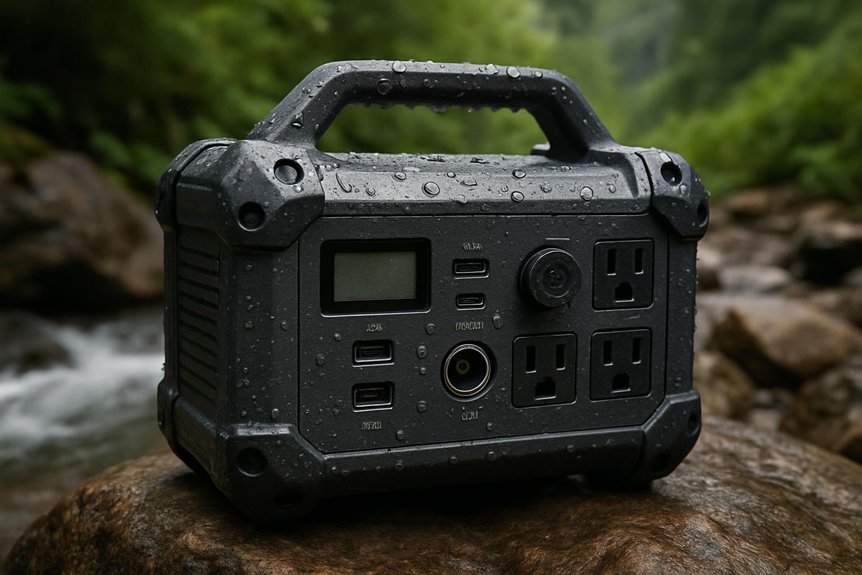
Understanding the materials and design elements that make a power station waterproof and rugged sets the stage for identifying the specific features we should prioritize when choosing a durable portable power station. First, robust battery management systems are essential; they regulate temperature, prevent overcharging, and optimize energy use, ensuring longevity and safety. Next, we must assess outdoor durability, focusing on impact resistance and sealed ports that prevent dust and moisture ingress. Additionally, corrosion-resistant casing materials enhance device lifespan in harsh environments. Connectivity options should include reinforced, weatherproof ports for reliable operation. Finally, portability factors like weight and integrated handles influence usability in rugged conditions. Prioritizing these features allows us to select power stations that withstand demanding outdoor applications without compromising performance or safety.
How Waterproof Power Stations Handle Extreme Weather
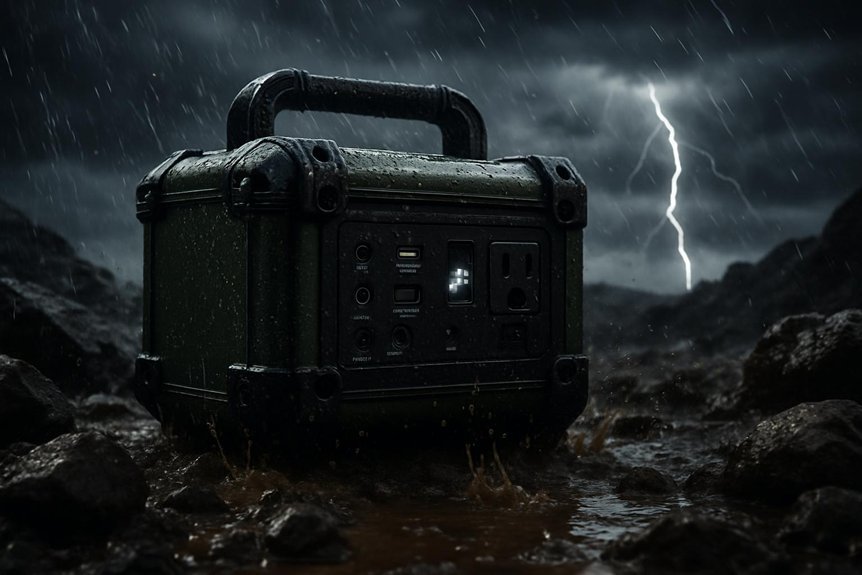
When we rely on waterproof power stations in extreme weather, their design must actively counteract environmental challenges like heavy rain, snow, and temperature fluctuations. To guarantee peak performance under such conditions, manufacturers focus on:
- Waterproof materials: Using IP-rated seals and corrosion-resistant components to assure weather resistance and prevent water ingress during storms.
- Rugged design: Incorporating shock-absorbent casings and reinforced housings that withstand impacts and maintain structural integrity amid outdoor challenges.
- Thermal management: Integrating insulation and ventilation systems that regulate internal temperatures, guaranteeing reliable operation in extreme conditions.
Together, these features enhance storm preparedness and extend operational lifespan. Understanding how waterproof power stations handle these factors helps us choose solutions tailored for harsh environments and critical outdoor applications.
Comparing Battery Types for Rugged Power Stations
Building on the need for rugged designs that withstand harsh weather, the choice of battery type plays a pivotal role in defining a power station’s durability, efficiency, and overall performance. Lithium batteries offer clear advantages, including higher energy density, lighter weight, and longer cycle life. Conversely, lead acid batteries, while cost-effective, present drawbacks such as heavier weight, limited depth of discharge, and susceptibility to freezing temperatures—factors that reduce their ruggedness. Understanding these trade-offs helps us select the best battery for portable power stations designed to endure extreme conditions.
| Battery Type | Advantages | Drawbacks |
|---|---|---|
| Lithium | High energy density, lightweight, long cycle life | Higher upfront cost |
| Lead Acid | Lower cost, widely available | Heavy, limited discharge, temperature sensitive |
| AGM | Maintenance-free, durable | Lower energy density, heavier than lithium |
Best Portable Power Stations for Camping and Outdoor Use
Selecting the right portable power station for camping and outdoor use hinges on balancing capacity, weight, and durability to meet our specific energy demands. After analyzing user reviews and technical specifications, we identify key factors to prioritize:
Choosing the ideal portable power station requires balancing capacity, weight, and durability for dependable outdoor energy needs.
- Solar Charging Compatibility: Essential for extended trips, guaranteeing continuous power without reliance on outlets.
- Weight and Portability: A rugged yet lightweight design maximizes ease of transport without compromising durability.
- Waterproof Rating and Build Quality: Critical for outdoor resilience, protecting internal components from moisture and impact.
Stations like the Goal Zero Yeti 500X and Jackery Explorer 1000 excel in these areas, combining robust solar input, strong IP ratings, and favorable user feedback. By focusing on these criteria, we guarantee the power station supports our outdoor activities reliably and efficiently.
How to Choose the Right Capacity for Your Power Needs
How do we determine the ideal capacity for our portable power station to meet specific energy demands? First, we quantify our total energy needs by listing all devices and their watt-hour consumption over the intended usage period. Understanding power capacity in watt-hours (Wh) allows us to match the station’s stored energy to these demands precisely. We must also consider peak power requirements, ensuring the station can handle initial surges from devices like pumps or power tools. Factoring in efficiency losses and potential future needs helps avoid undersizing. By analyzing these parameters, we select a power capacity that balances portability with sufficient runtime, ensuring reliability without unnecessary bulk. This analytical approach guarantees our portable power station effectively supports our energy needs in varied environments.
Essential Ports and Outputs for Versatile Device Charging
Once we’ve determined the right capacity to meet our energy demands, the next step is to assure our portable power station can connect effectively with the devices we plan to use. Essential ports support versatile charging, enabling simultaneous power delivery to multiple gadgets. We should prioritize:
- AC Outlets – Provide compatibility with standard household electronics, assuring versatility for laptops and small appliances.
- USB Ports (Type-A and Type-C) – Support fast charging for smartphones, tablets, and other portable devices, with Type-C offering higher power output.
- DC Outputs – Facilitate direct connection to specialized equipment like car refrigerators or LED lights, enhancing adaptability in rugged environments.
Incorporating these essential ports assures our rugged power station meets diverse charging needs efficiently, maximizing utility in various settings.
Tips for Maintaining and Protecting Your Power Station
Even though portable power stations are designed for durability, we must implement regular maintenance and protective measures to guarantee peak performance and longevity. Establishing consistent cleaning routines is essential; removing dust, dirt, and moisture from vents and ports prevents overheating and corrosion. We should use soft brushes and compressed air to avoid damage. Additionally, employing protective accessories such as weatherproof covers, silicone port plugs, and shock-absorbing cases shields the unit from environmental hazards and physical impacts. Routine inspections for loose connections and battery health indicators help us detect early signs of wear or malfunction. By integrating these targeted maintenance strategies with appropriate protective gear, we extend the operational lifespan of our power stations, ensuring reliable energy supply in demanding conditions without compromising their rugged design.
Real-World Uses: Construction Sites, Emergencies, and Adventure
Let’s examine how waterproof portable power stations deliver reliable energy for powering tools on construction sites and sustaining critical devices during emergencies. Their durability and consistent output make them indispensable in unpredictable environments. Understanding these applications helps us evaluate their technical advantages and operational value.
Powering Tools On-Site
When we bring waterproof portable power stations onto construction sites or emergency scenes, they deliver reliable, clean energy to operate essential tools without the constraints of traditional power sources. Meeting diverse energy needs requires us to evaluate:
- Site power and equipment compatibility – Ensuring our power stations support various tool voltages and connectors optimizes tool efficiency and prevents downtime.
- Power reliability and charging solutions – Advanced battery management systems and rapid recharge capabilities maintain continuous operation, critical for outdoor productivity.
- Safety measures – Rugged, waterproof designs combined with built-in surge protection safeguard both personnel and equipment, adhering to stringent site safety protocols.
Reliable Emergency Energy
Although unpredictable conditions often challenge us, waterproof portable power stations provide dependable emergency energy across construction sites, disaster zones, and outdoor adventures. Their rugged design guarantees continuous power delivery despite exposure to water, dust, and impact, critical for maintaining operations during crises. By integrating high-capacity lithium batteries and advanced power management systems, these stations enhance emergency preparedness, allowing rapid deployment and sustained energy output. They grant energy independence, reducing reliance on fuel or grid access, which is often compromised in emergencies. On construction sites, they power essential tools; in disaster zones, they support communication and medical devices; during outdoor expeditions, they maintain navigation and safety equipment. This versatility combined with durability makes them indispensable for reliable energy access when it matters most.
Budgeting: Finding Affordable Yet Durable Portable Power Stations
Let’s analyze how to balance cost and durability when selecting waterproof portable power stations. By comparing features against prices, we can identify models that offer reliable performance without exceeding budget constraints. This approach guarantees we invest in power solutions that withstand tough conditions while remaining affordable.
Cost-Effective Power Options
Since balancing cost and durability can be challenging, we need to focus on power stations that deliver reliable performance without breaking the bank. Identifying cost-effective power options requires a technical assessment of features beyond price tags. Here’s what we should prioritize:
- Affordable brands with proven track records in waterproof and rugged designs to guarantee longevity without premium costs.
- Energy efficiency metrics, such as watt-hour per dollar ratios, which maximize runtime while minimizing energy waste.
- Battery capacity aligned with typical usage patterns to avoid overspending on unnecessary power reserves.
Durability on a Budget
When we prioritize durability without exceeding our budget, careful evaluation of build materials and design features becomes vital. Among budget-friendly options, we focus on units constructed with reinforced plastics or aluminum alloys that resist impact and environmental stress. Durability testing results guide us in identifying power stations that withstand drops, vibrations, and moisture exposure without performance degradation. It’s important to verify that seals and ports maintain waterproof integrity under real-world conditions. We recommend examining manufacturer data and third-party assessments to guarantee reliability. By balancing cost with proven ruggedness, we find portable power stations offering longevity and resilience without premium prices. This approach helps us select durable, affordable solutions that meet both practical and financial requirements efficiently.
Comparing Features and Prices
How do we balance features and prices to find affordable yet durable portable power stations? Effective price comparisons paired with thorough feature analysis are crucial. First, we evaluate battery capacity against cost to confirm energy needs align with budget constraints. Second, we assess waterproof ratings and ruggedness, prioritizing IP certifications that justify price premiums. Third, we compare output options—AC, USB, and DC ports—to match device compatibility without overspending. By systematically analyzing these factors, we pinpoint models delivering the best value. This approach filters out overpriced units lacking durability and under-equipped stations that compromise functionality. Ultimately, our targeted feature-price evaluation enables us to select portable power stations that are both cost-effective and engineered to withstand demanding environments.
Frequently Asked Questions
Can Waterproof Power Stations Be Used Underwater for Extended Periods?
We don’t recommend using waterproof power stations underwater for extended periods due to limited underwater durability and potential safety concerns. These devices are designed for splash resistance, not full submersion, which risks damage and hazards.
How Heavy Are Rugged Portable Power Stations Typically?
Rugged portable power stations typically weigh between 10 to 30 pounds. When considering weight comparison, we analyze battery capacity versus portability factors like handle design and material, ensuring ideal balance for transport and field use.
Are There Any Restrictions on Flying With Portable Power Stations?
We check airline regulations, we verify battery safety, and we declare lithium batteries properly. Flying with portable power stations requires adherence to strict rules on battery capacity and packaging to comply with airline regulations and secure battery safety.
Do Rugged Power Stations Require Special Disposal Methods?
Yes, rugged power stations require special disposal methods due to disposal regulations addressing their batteries and components. We must follow these rules carefully to minimize environmental impact and guarantee hazardous materials are managed safely and responsibly.
Can These Power Stations Be Charged Using Solar Panels?
Yes, we can charge these stations using solar panels, provided they have solar panel compatibility. Optimizing charging efficiency requires matching voltage and current specifications, ensuring proper connectors, and using MPPT controllers to maximize energy conversion.
Conclusion
As we’ve explored, choosing a waterproof and rugged portable power station means balancing durability, battery type, and essential features. Imagine facing a sudden storm or a remote worksite challenge—your power station must perform flawlessly. The right choice isn’t just about specs; it’s about reliability when conditions turn harsh. Stay tuned as we dive deeper into top models that combine rugged resilience with cutting-edge technology, ensuring you’re powered up no matter what lies ahead.