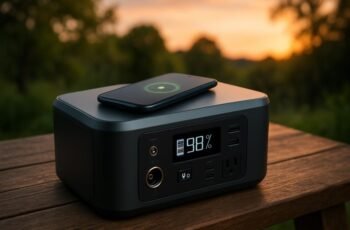
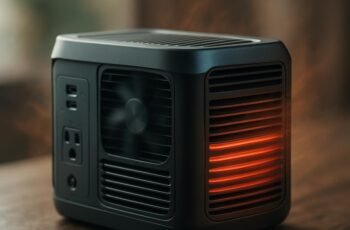
We might say portable power stations are silent enough to hear a pin drop, but that’s no accident. Their quiet nature stems from sophisticated battery chemistry and inverter design that eliminate noisy engines and exhaust systems. Understanding how these technologies work together to minimize sound reveals why they outperform traditional generators in noise control. Let’s explore what makes these devices remarkably discreet in operation.
Key Takeaways
- Portable power stations use silent lithium-based batteries and inverters without combustion engines or moving mechanical parts.
- High-efficiency inverters minimize energy loss and heat, reducing operational noise through advanced circuitry and soundproofing.
- Thermal management relies on passive cooling and insulation, eliminating noisy fans and vibrations for quiet heat dissipation.
- They operate below 50 decibels, significantly quieter than gas generators, minimizing disturbance and environmental noise pollution.
- Design incorporates vibration dampening, soundproof materials, and user-preferred low-noise components for enhanced quiet performance.
How Portable Power Stations Work Quietly Without Engines
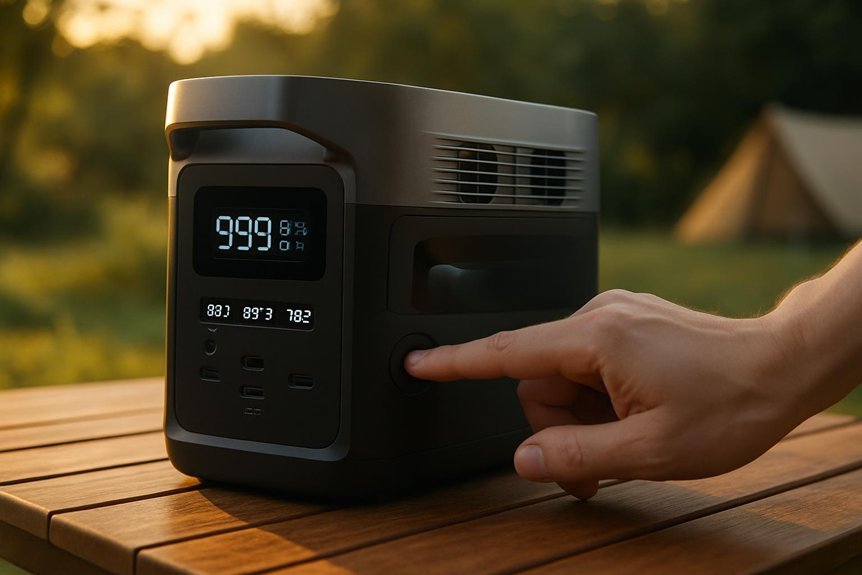
Although traditional generators rely on internal combustion engines, portable power stations operate silently by using advanced battery and inverter technology. This silence stems from eliminating mechanical combustion processes and moving parts that generate noise. Instead, these stations utilize sophisticated battery chemistry—often lithium-ion or lithium iron phosphate—that provides energy storage without producing sound. The inverter converts DC battery power into usable AC power quietly and efficiently. Additionally, manufacturers incorporate soundproofing materials within the housing to further suppress any minimal operational noises, such as those from cooling fans or electrical components. This combination of chemical energy storage and acoustic engineering guarantees our portable power stations maintain a low noise profile, making them ideal for environments where quiet operation is essential.
Why Battery Technology Makes Portable Power Stations Silent
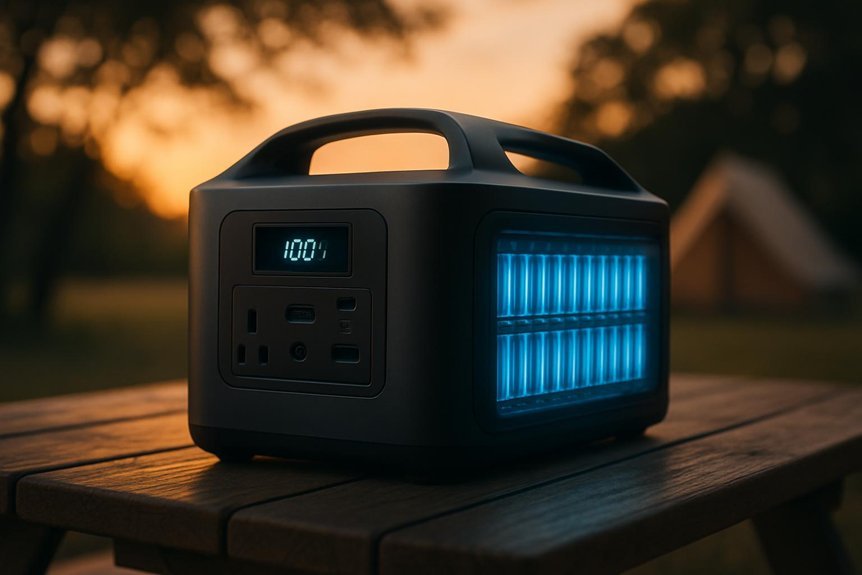
Three key aspects of battery technology contribute directly to the silent operation of portable power stations: the absence of moving parts, the electrochemical energy storage process, and the efficient thermal management strategies. Unlike combustion engines, batteries store and release energy through chemical reactions without mechanical motion, eliminating noise sources. This electrochemical process operates quietly and consistently, supporting noise reduction efforts. Additionally, modern battery management systems enhance thermal regulation, preventing overheating without relying on noisy cooling fans. These strategies also extend battery lifespan by maintaining ideal operating temperatures, reducing degradation. Together, these features enable portable power stations to run silently while preserving performance and durability. By focusing on battery technology’s inherent quietness and thermal efficiency, we see why portable power stations outperform traditional generators in noise-sensitive environments.
The Role of Efficient Inverters in Reducing Noise
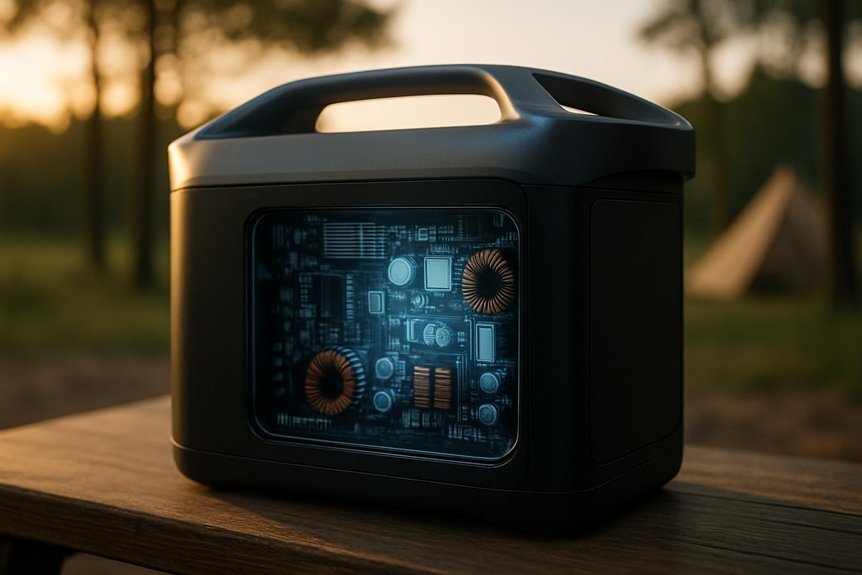
When we examine how portable power stations maintain quiet operation, we must consider the critical function of efficient inverters. These devices convert DC from the battery into AC power with minimal energy loss, greatly improving inverter efficiency. Higher efficiency means less wasted energy dissipated as heat, which reduces the need for aggressive cooling solutions that generate noise. Additionally, modern inverters use advanced circuitry and switching techniques that operate at frequencies less likely to produce audible noise. Incorporating sound dampening materials around the inverter further minimizes any residual mechanical or electromagnetic sounds. Together, these design choices guarantee the inverter operates silently, contributing significantly to the overall quietness of portable power stations without relying on noisy components. This precise focus on inverter efficiency and sound dampening is pivotal in reducing operational noise.
How Portable Power Stations Avoid Loud Exhaust and Fans
We rely on silent battery operation to eliminate the noise associated with combustion engines, ensuring truly quiet power delivery. Additionally, efficient thermal management systems regulate heat without resorting to loud fans or exhaust mechanisms. Together, these technologies maintain performance while minimizing acoustic disturbances.
Silent Battery Operation
Although many traditional generators rely on combustion engines that produce significant noise through exhaust and cooling fans, portable power stations utilize advanced battery technology to operate silently. This silent battery operation eliminates mechanical noise sources, enabling quiet usage without compromising power output. The design prioritizes battery longevity by managing charge cycles and thermal conditions internally, avoiding the need for noisy cooling systems.
| Feature | Benefit |
|---|---|
| Lithium-ion battery | High energy density, silent |
| No combustion engine | Zero exhaust noise |
| Internal thermal sensors | Battery longevity monitoring |
| Efficient power inverter | Quiet electrical conversion |
| Compact design | Reduced vibration and noise |
Efficient Thermal Management
Since portable power stations lack combustion engines that generate intense heat, they rely on advanced thermal management systems to maintain ideal battery and component temperatures. We use thermal insulation materials strategically placed to reduce heat transfer, preventing overheating without requiring noisy exhaust systems. This insulation also contributes to sound dampening by minimizing vibrations and resonance within the casing. Additionally, we implement passive cooling techniques such as heat sinks and optimized airflow channels, which allow efficient heat dissipation without active fans. By combining thermal insulation with sound dampening designs, we guarantee that heat is managed quietly and effectively. This approach eliminates the need for loud mechanical cooling, making portable power stations remarkably silent while preserving performance and safety.
Comparing Noise Levels: Portable Power Stations vs. Gas Generators
How do portable power stations and gas generators compare when it comes to noise levels? Portable power stations operate with minimal noise since they rely on battery technology and electric components, eliminating combustion engine sounds. Typically, their noise output remains below 50 decibels, comparable to a quiet office environment. In contrast, gas generators produce noise levels ranging from 60 to 90 decibels due to internal combustion engines and exhaust systems. This creates significant noise pollution, negatively affecting surrounding environments and contributing to overall environmental impact. By reducing noise emissions, portable power stations offer a quieter alternative that minimizes disturbance and promotes a cleaner acoustic environment. Evaluating these differences reveals that portable power stations are superior in noise control, making them better suited for applications where noise pollution reduction is a priority.
Why Quiet Operation Matters for Outdoor and Emergency Use
We recognize that quiet operation greatly enhances the outdoor experience by reducing noise pollution and preserving natural soundscapes. In emergency situations, lower noise levels help minimize stress and maintain clear communication. Let’s examine how these factors influence the effectiveness of portable power stations in both contexts.
Enhancing Outdoor Experience
Although power is essential for outdoor activities and emergencies, the noise level of our portable power stations can greatly impact our experience. Quiet operation directly enhances camping comfort by reducing ambient noise, allowing us to enjoy natural sounds without interruption. It also supports wildlife preservation by minimizing disturbances to local fauna. From a technical perspective, noise reduction improves situational awareness and communication efficiency in outdoor settings. Consider these benefits:
- Maintaining serene environments for relaxation and sleep
- Preventing stress-induced behavioral changes in wildlife
- Facilitating clear communication during group activities
- Allowing discreet use in sensitive ecological zones
Minimizing Emergency Stress
Maintaining quiet operation in portable power stations not only preserves outdoor tranquility but also plays a significant role in reducing stress during emergencies. When we face crises, effective emergency preparedness hinges on minimizing additional stressors. Loud generator noise can exacerbate anxiety, impair communication, and hinder decision-making. By contrast, quiet power stations provide essential energy without disruptive sound, facilitating calmer environments. This noise reduction contributes directly to stress relief, enabling clearer thinking and faster response times. From a technical standpoint, quieter operation results from advanced inverter technology and optimized cooling systems, allowing us to rely on consistent power without the typical noise pollution. To summarize, the silent performance of these stations enhances both our emergency readiness and psychological resilience, proving indispensable for critical situations and outdoor scenarios alike.
How Design Choices Minimize Vibrations and Sound
Since vibrations and noise can greatly impact user experience and equipment longevity, engineers prioritize specific design choices in portable power stations to minimize these factors. We focus on integrating vibration dampening components, reducing mechanical resonance, and isolating noise sources effectively. Key strategies include:
- Employing vibration dampening mounts and pads to absorb mechanical oscillations
- Utilizing soundproof materials in casing construction to block and absorb airborne noise
- Designing compact, balanced internal layouts to reduce structural vibrations
- Incorporating low-noise fans with variable speed control to minimize airflow sound
Tips for Choosing the Quietest Portable Power Station
How can we guarantee we select the quietest portable power station that meets our needs? First, we must analyze the power station’s noise reduction mechanisms, such as advanced cooling systems and vibration isolation. Evaluating these features guarantees minimal operational sound. Next, we consider battery capacity since higher capacity often requires more robust cooling, potentially increasing noise. Balancing battery capacity with noise levels is essential. We should also compare decibel ratings under typical loads to quantify noise precisely. Additionally, examining user reviews provides real-world insights into noise performance. Prioritizing models with passive cooling or low-noise fans improves quiet operation. By systematically evaluating noise reduction features alongside battery capacity demands, we can confidently select a portable power station that delivers necessary power quietly and efficiently.
Frequently Asked Questions
How Long Do Portable Power Station Batteries Typically Last?
We typically see portable power station battery lifespan ranging from 500 to 2,000 charge cycles, depending on usage and battery type. Proper maintenance extends their effective life, ensuring consistent performance throughout those cycles for reliable power delivery.
Can Portable Power Stations Be Charged Using Solar Panels?
Yes, we can charge portable power stations using solar panels. Ensuring solar panel compatibility maximizes charging efficiency, allowing us to harness renewable energy effectively while maintaining ideal power input and preserving battery longevity during off-grid usage.
What Devices Can a Portable Power Station Power Simultaneously?
We can power multiple devices simultaneously—like laptops charging and LED lights—during camping trips. Portable power stations handle precise wattage limits, so balancing high-draw items guarantees we maximize efficiency without overloading their technical capacity.
Are Portable Power Stations Safe to Use Indoors?
Yes, portable power stations are safe for indoor use since they produce no harmful emissions. However, we recommend ensuring proper ventilation to avoid heat buildup, maintaining indoor safety, and preventing potential overheating during extended operation.
How Do Portable Power Stations Handle Power Surges?
Like a shock absorber in a car, we rely on power surge protection and advanced inverter design to handle sudden voltage spikes, ensuring stable output and safeguarding connected devices from damage during unexpected power surges.
Conclusion
When we think about portable power, it’s no coincidence that quiet operation is a top priority. Thanks to advanced batteries and efficient inverters, these stations run silently without engines or noisy fans. We appreciate how smart design choices minimize vibrations and sound, making them perfect for sensitive environments. So, whether we’re camping or facing an emergency, we can rely on power that won’t disrupt our peace—or our conversations.