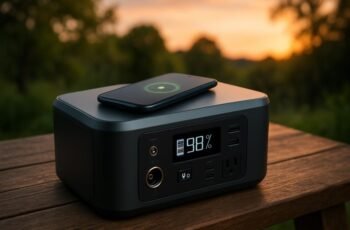
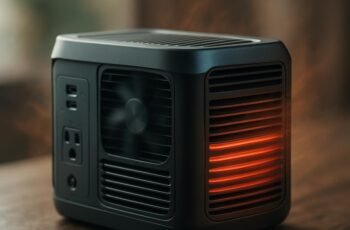
It’s no coincidence that as concerns about climate change grow, so does interest in eco-friendly alternatives to gas generators. We’re seeing more options like solar generators, portable wind turbines, and small hydro power systems emerge, each with unique technical advantages and limitations. Understanding their performance, costs, and environmental impact is essential if we want to move beyond traditional fuel-based generators effectively. Let’s explore how these solutions stack up in real-world applications.
Key Takeaways
- Solar generators convert sunlight into clean electricity with zero emissions and minimal maintenance.
- Portable wind turbines offer renewable energy by harnessing wind, ideal for off-grid and mobile use.
- Battery storage systems efficiently store renewable energy with high capacity and long cycle life.
- Hydropower systems provide quiet, low-emission energy but require higher initial investment and occasional maintenance.
- Fuel cells emit only water vapor, operate quietly, and serve as a clean alternative to traditional gas generators.
Why Choose Eco Friendly Alternatives to Gas Generators
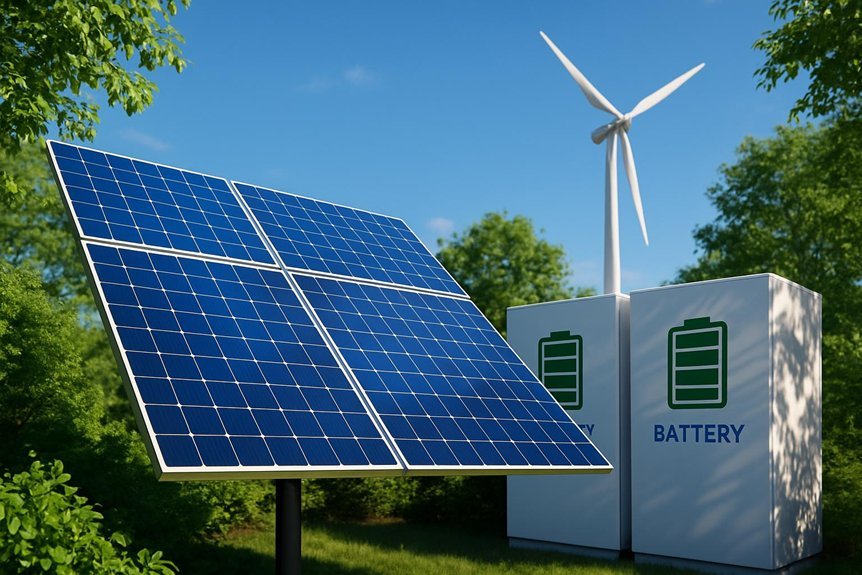
Although traditional gas generators have powered countless operations, we must recognize their environmental and economic drawbacks. These generators rely on fossil fuels, contributing notably to air pollution and greenhouse gas emissions. As we explore eco-friendly alternatives, the integration of renewable energy sources stands out as a critical advantage. Renewable energy options, such as wind and hydroelectric power, offer substantial reductions in environmental impact by minimizing carbon footprints and reducing reliance on finite resources. By shifting to these alternatives, we enhance sustainability and operational efficiency while mitigating the risks linked to fuel supply volatility and price fluctuations. Embracing eco-friendly solutions not only supports environmental stewardship but also aligns with evolving regulatory frameworks and community expectations, making them a prudent choice for long-term energy generation.
Solar Generators: How They Work and What to Expect
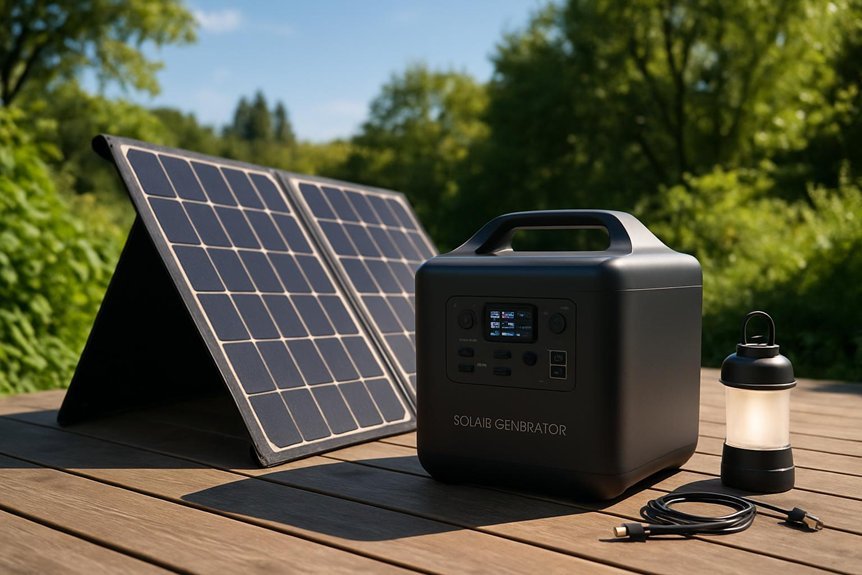
Solar generators operate by converting sunlight into electrical energy through photovoltaic panels, storing this energy in batteries for later use. The solar panel efficiency directly impacts how much power we can harness, influencing overall performance. Solar generators have a lower environmental impact compared to gas generators, producing no emissions during operation.
| Feature | Description | Impact |
|---|---|---|
| Solar Panel Efficiency | Typically 15-22% conversion rate | Determines energy output |
| Noise Level | Near silent operation | Minimal disturbance |
| Emissions | Zero emissions during use | Environmentally friendly |
| Maintenance | Low, mainly cleaning panels | Cost-effective upkeep |
| Portability | Varies by model | Flexibility in deployment |
Understanding these factors helps us set realistic expectations when choosing solar generators.
Battery Storage Systems for Sustainable Backup Power
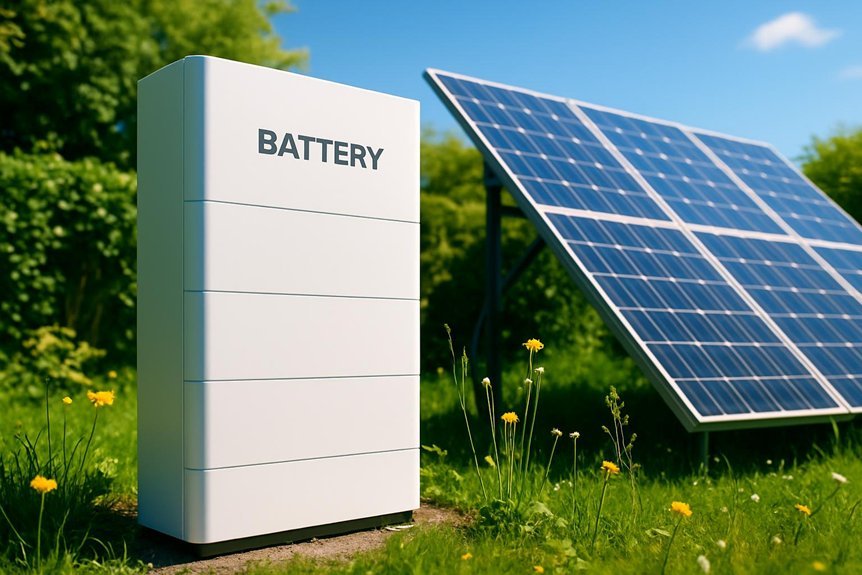
When we need reliable backup power without the environmental drawbacks of gas generators, battery storage systems offer a sustainable solution. Utilizing lithium technology, these systems deliver high energy density and longer cycle life compared to traditional lead-acid batteries. Their energy efficiency reduces power loss during storage and discharge, making them ideal for sustainable backup.
Battery storage systems provide efficient, eco-friendly backup power with superior energy density and longevity over lead-acid options.
Key considerations include:
- Capacity: Measured in kilowatt-hours (kWh) to match energy needs.
- Depth of Discharge (DoD): Higher DoD means more usable energy.
- Charge/Discharge Rates: Determines how quickly batteries can be charged or used.
- Lifespan: Influences long-term sustainability and cost-effectiveness.
Portable Wind Turbines as Green Energy Solutions
Battery storage systems provide a reliable way to store energy, but generating that energy sustainably remains a challenge in many situations. Portable wind turbines offer a viable solution by harnessing wind power in diverse locations. Their design prioritizes lightweight materials and modular components, enabling easy transport and rapid deployment for portable applications. While wind turbine efficiency in smaller units typically lags behind larger, fixed installations, advancements in blade aerodynamics and generator technology have improved energy capture considerably. We must consider local wind conditions to optimize output, as performance directly correlates with wind speed consistency. Integrating portable wind turbines with battery storage enhances off-grid power reliability, reducing dependence on fossil fuels. As green energy solutions, these turbines present a scalable, adaptable option for sustainable power in variable environments.
Comparing Cost, Noise, and Emissions of Eco Alternatives
Although eco-friendly alternatives reduce environmental impact, we need to carefully compare their cost, noise levels, and emissions to determine their overall viability. When evaluating options like hydro power and fuel cells, consider these factors:
- Cost: Initial installation for hydro power can be high, but operational costs remain low. Fuel cells have moderate upfront costs but require expensive fuel sources.
- Noise: Hydro power systems operate quietly due to water movement, while fuel cells emit minimal noise, making both suitable for residential use.
- Emissions: Hydro power generates negligible emissions, relying on water flow. Fuel cells produce low emissions, primarily water vapor, with clean hydrogen fuel.
- Maintenance: Hydro setups demand occasional mechanical checks; fuel cells need regular fuel supply and system monitoring.
Balancing these metrics helps us select the most efficient and sustainable alternative to gas generators.
Frequently Asked Questions
How Do Eco-Friendly Generators Perform in Extreme Weather Conditions?
We’ve analyzed performance metrics showing eco-friendly generators maintain consistent output and high weather resilience in extreme conditions. Their advanced materials and design help them withstand temperature fluctuations, moisture, and wind, ensuring reliable power delivery during harsh environments.
Can Eco-Friendly Generators Be Used Indoors Safely?
We recognize indoor safety is paramount; eco-friendly generators emit minimal pollutants, reducing carbon footprint and allowing safe indoor use with proper ventilation. Their advanced filtration systems guarantee cleaner air, making them reliable alternatives without compromising health.
What Maintenance Is Required for Solar and Wind Generators?
We regularly perform solar panel cleaning to maintain efficiency and conduct wind turbine inspection to check for mechanical wear or damage. These proactive steps guarantee peak performance and extend the lifespan of both systems effectively.
Are There Government Incentives for Purchasing Eco-Friendly Generators?
We’re diving into a sea of savings with government incentives like tax credits and rebate programs. These financial tools considerably lower upfront costs, making eco-friendly generators more accessible while promoting sustainable energy adoption through measurable economic benefits.
How Long Do the Batteries in Solar Generators Typically Last?
We find solar generator battery lifespan typically ranges from 5 to 15 years, depending on usage and maintenance. Solar efficiency directly impacts battery performance, so optimizing panel placement and charge cycles extends overall system longevity.
Conclusion
As we embrace eco-friendly alternatives to gas generators, we’re not just investing in technology but in a sustainable legacy reminiscent of the Industrial Revolution’s transformative spirit. Solar generators, portable wind turbines, and hydro power systems offer cleaner, quieter, and more efficient energy solutions. Coupled with advanced battery storage, they guarantee reliable backup power while minimizing emissions and noise. Together, we can make informed choices that balance cost and environmental impact for a greener future.