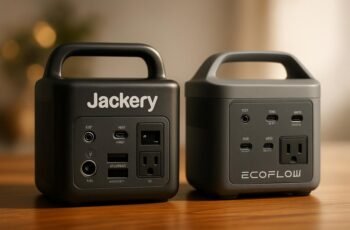
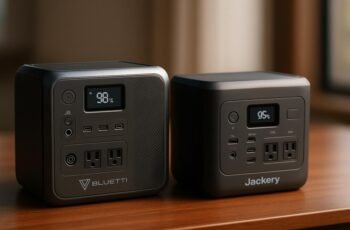
Did you know that over 30% of outdoor enthusiasts now prefer renewable energy solutions for off-grid power? When deciding between a solar generator and a portable power station, understanding their distinct mechanisms and performance is essential. Each offers unique benefits and trade-offs in capacity, cost, and reliability. Let’s explore how these differences could impact your energy needs in various scenarios and which option might best suit your lifestyle.
Key Takeaways
- Solar generators convert sunlight into electricity using panels, batteries, and inverters for renewable, emission-free power.
- Portable power stations store electrical energy from various sources, including AC outlets and solar panels, offering versatile charging options.
- Solar generators’ output depends on sunlight and weather, while portable power stations provide consistent power regardless of solar availability.
- Solar generators excel in remote, sustainable energy use, whereas portable power stations suit emergency backup and indoor, short-term needs.
- Solar generators generally have higher upfront costs but lower ongoing expenses, while portable power stations are more affordable initially but may incur charging costs.
What Is a Solar Generator and How Does It Work?
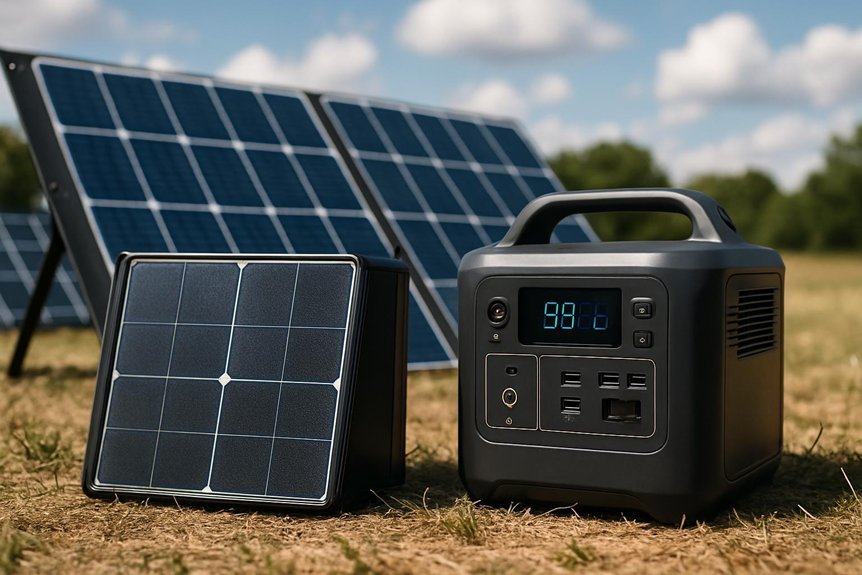
A solar generator is a compact power system that converts sunlight into usable electricity through integrated solar panels, a battery, and an inverter. Using advanced solar technology, the panels capture photons and convert them into direct current (DC) electricity. This DC energy charges the internal battery, storing power for later use. The inverter then converts the stored DC electricity into alternating current (AC), compatible with most household devices. This process maximizes energy efficiency by minimizing power loss during conversion and storage. By integrating these components, solar generators provide a reliable, renewable energy source without emissions or fuel consumption. Understanding this mechanism helps us appreciate how solar technology delivers clean, efficient power, making solar generators a sustainable solution for off-grid and emergency energy needs.
How Portable Power Stations Deliver Ready-to-Use Energy
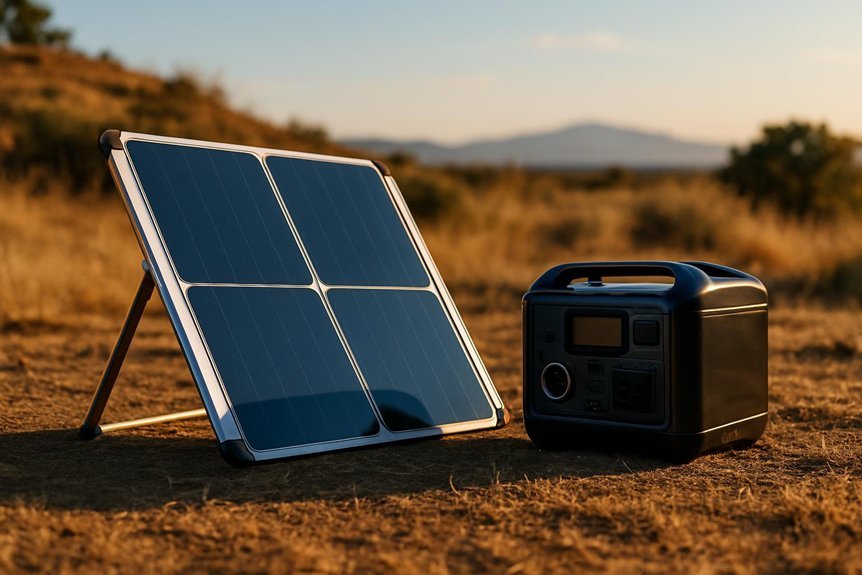
Portable power stations deliver ready-to-use energy by integrating high-capacity batteries with versatile output options in a single, compact unit. This design maximizes energy efficiency, allowing us to power multiple devices simultaneously without significant loss. Their advanced battery management systems optimize performance and safety during use and charging. Speaking of charging, portable power stations offer flexible charging options, including AC outlets, carports, and solar panel compatibility, ensuring continuous energy availability.
- Multiple output ports (AC, USB, 12V) for diverse device compatibility
- Intelligent battery management for optimized energy use
- Lightweight and portable for easy transport
- Multiple charging inputs supporting solar, wall, and vehicle sources
Together, these features make portable power stations a reliable, energy-efficient solution for immediate power needs.
Comparing Power Capacity and Runtime for Solar vs. Portable Stations
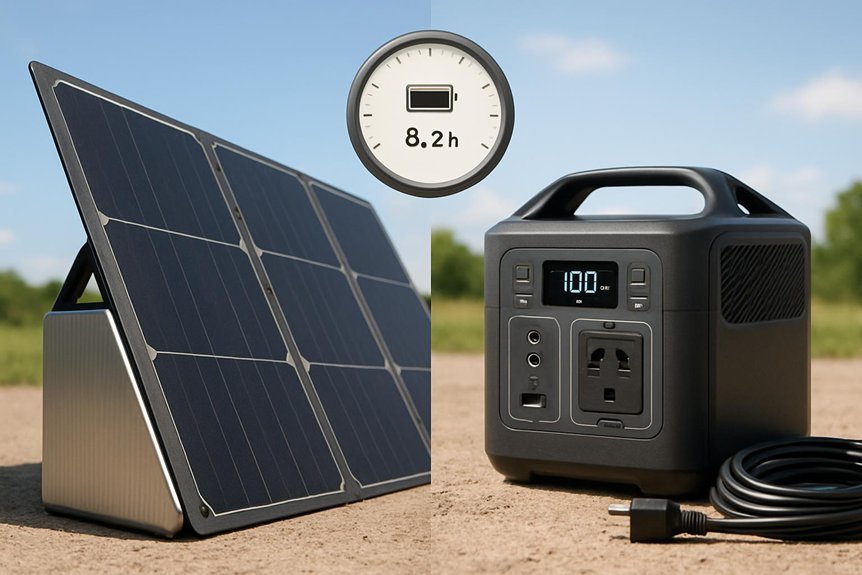
While solar generators and portable power stations both aim to provide off-grid energy, their power capacity and runtime vary considerably based on design and usage conditions. Solar generators rely on solar panels, so their effective power output depends heavily on solar efficiency, which fluctuates with weather and daylight. This variability impacts runtime, making consistent energy availability more challenging. Portable power stations, by contrast, store energy in high-capacity batteries, delivering stable power independent of sunlight. Battery longevity plays a critical role here—higher-quality batteries maintain capacity longer, ensuring extended runtime. In general, portable power stations offer predictable power capacity and runtime, while solar generators provide renewable energy but with variable output. Understanding these differences helps us gauge which system best fits specific off-grid energy demands.
When to Choose a Solar Generator Over a Portable Power Station?
How do we determine the best choice between a solar generator and a portable power station for our off-grid energy needs? We should consider scenarios where solar efficiency and energy independence are paramount. Solar generators excel when:
- We require sustainable, renewable energy without relying on grid power.
- Extended outdoor trips or remote locations limit access to conventional charging.
- We prioritize minimizing fuel consumption and emissions.
- Our energy demands align with consistent sunlight availability for ideal solar panel performance.
In these cases, solar generators offer superior autonomy by converting sunlight directly into usable power, enhancing energy independence. Conversely, portable power stations may suit short-term or grid-assisted use better. Understanding these conditions allows us to select the device that maximizes efficiency and reliability tailored to our specific off-grid applications.
Key Advantages and Limitations of Solar Generators
Let’s examine the key advantages and limitations of solar generators, focusing first on their use of renewable energy, which offers sustainable power without emissions. However, we need to contemplate their power capacity constraints, as they often provide less output compared to traditional generators. Additionally, portability and setup requirements can impact how and where these systems are effectively deployed.
Renewable Energy Benefits
Because solar generators harness energy directly from the sun, they offer a sustainable and clean power source that reduces our reliance on fossil fuels. Their energy efficiency maximizes the conversion of sunlight into usable electricity, minimizing waste and lowering the environmental impact compared to traditional generators. However, understanding their benefits and limitations is essential for effective use.
Key renewable energy benefits include:
- Zero emissions during operation, promoting air quality and reducing carbon footprint
- Quiet operation, eliminating noise pollution common with fuel-based generators
- Minimal maintenance requirements due to fewer moving parts
- Scalability, allowing us to expand capacity by adding more solar panels
These advantages make solar generators an environmentally responsible choice for off-grid power needs.
Power Capacity Constraints
While solar generators provide clean and renewable power, their energy capacity often limits how much and how long they can supply electricity. The core constraint lies in their energy storage systems, typically lithium-ion batteries, which have finite capacities. Even with advancements in efficiency rating, these batteries can only store a limited amount of energy, restricting continuous or high-power usage. Additionally, solar generators depend on solar input, which fluctuates with weather and daylight, further impacting energy availability. Unlike larger power stations with substantial storage and output capabilities, solar generators require careful management of load and consumption to avoid depleting stored energy prematurely. Understanding these capacity constraints is vital when selecting a solar generator for applications where sustained power delivery is essential.
Portability and Setup
Although solar generators excel in delivering clean energy, their portability and setup processes often define their practical usability in the field. We find that lightweight design and easy mobility are critical factors when choosing a solar generator for on-the-go applications. Unlike typical portable power stations, solar generators often include foldable panels and integrated handles that facilitate transport and deployment.
Key considerations for portability and setup include:
- Compact folding solar panels for efficient storage
- Quick-connect cables to reduce setup time
- Lightweight chassis materials enhancing easy mobility
- Modular components allowing flexible configuration
Benefits and Drawbacks of Portable Power Stations
As we explore portable power stations, we should consider their distinct advantages and limitations. One significant benefit is cost efficiency; portable power stations often offer a lower upfront investment compared to solar generators, making them accessible for a wide range of users. Additionally, their plug-and-play design enhances user convenience, allowing quick setup and immediate power availability without complex configurations. However, drawbacks include limited energy capacity and dependence on grid charging, which restricts off-grid usability. Furthermore, their battery lifespan may degrade faster under frequent deep discharges. While portable power stations excel in ease of use and affordability, we must weigh these factors against their reduced autonomy and potential long-term costs. Understanding these trade-offs helps us select the right solution for specific power needs and scenarios.
Frequently Asked Questions
Can Solar Generators Charge Portable Power Stations?
Yes, we can use solar charging from a solar generator to charge portable power stations, provided we guarantee generator compatibility with input voltage and connectors. Proper setup maximizes efficiency and protects both devices during energy transfer.
How Do Weather Conditions Affect Solar Generator Efficiency?
Ever wondered why your solar efficiency drops on cloudy days? We understand weather impact plays a huge role—cloud cover, temperature, and shading reduce energy capture, so managing expectations and positioning panels effectively helps maximize output consistently.
Are Portable Power Stations Safe for Indoor Use?
Yes, portable power stations are generally safe for indoor use because they produce no emissions. We recommend monitoring power capacity to avoid overload and ensuring proper ventilation for maximum indoor safety during operation.
What Maintenance Is Required for Solar Generators?
Coincidentally, proper battery care and panel cleaning keep solar generators efficient. We recommend regularly inspecting batteries for charge levels and corrosion while cleaning panels gently to remove dust and debris, ensuring peak energy absorption and system longevity.
Can Portable Power Stations Be Used for Medical Devices?
Yes, we can use portable power stations for medical device compatibility, but we must carefully assess power capacity considerations to guarantee continuous, stable power supply, avoiding interruptions that could jeopardize device function and patient safety.
Conclusion
When choosing between a solar generator and a portable power station, it’s like picking the right tool for the job. Solar generators excel in harnessing renewable energy, ideal for eco-conscious outdoor use, but depend on sunlight. Portable power stations offer reliable, immediate power anytime, perfect for emergencies or indoor needs. Understanding their strengths and limits helps us select the best fit, ensuring efficient, dependable energy wherever and whenever we need it most.