When planning the electrical setup for an outdoor event, we recognize the importance of precise calculations and adherence to safety standards to guarantee reliable power delivery. From evaluating total load requirements to selecting suitable generators and designing secure distribution systems, each step demands meticulous attention. Understanding the complexities involved can considerably impact both safety and operational efficiency, prompting us to explore the detailed procedures that underpin a successful outdoor power setup and how to address potential challenges effectively.
Key Takeaways
- Assess total power needs and select suitable generators or power sources based on event size and duration.
- Plan and secure proper outdoor-rated cabling, outlets, and distribution panels for safety and reliability.
- Follow electrical codes, implement grounding, and use weatherproof equipment to ensure safety and compliance.
- Regularly inspect, monitor, and troubleshoot electrical systems during the event to prevent outages and hazards.
- Properly decommission and store equipment post-event to maintain safety and prolong equipment lifespan.
Understanding Your Power Needs for Outdoor Events
To accurately determine your power needs for outdoor events, we must first identify all electrical devices and equipment that will be in use, noting their wattage or amperage ratings. This involves creating an extensive list, including lighting, sound systems, cooking appliances, and any other electrical tools. For each item, record the rated wattage or current draw; if only amperage is provided, convert to watts using the formula: watts = amperes × voltage. Consider starting surge or peak consumption, especially for devices like amplifiers or motors. Calculating total power requirements ensures appropriate capacity planning. Precise measurement prevents underestimating load, which could lead to power failures, or overestimating, resulting in unnecessary equipment. This detailed assessment forms the foundation for selecting suitable power generation solutions.
Choosing the Right Power Generation Equipment
Selecting the appropriate power generation equipment requires careful evaluation of available power source options and their compatibility with event demands. We must also consider fuel efficiency to optimize operational costs and minimize environmental impact. Making informed choices guarantees reliable, efficient power delivery for outdoor events.
Power Source Options
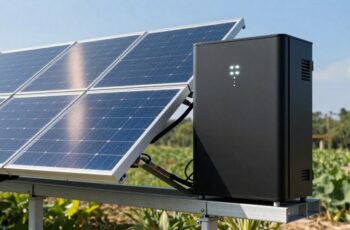
When determining the appropriate power source for an outdoor event, it’s essential to take into account factors such as load capacity, fuel efficiency, and reliability. Options include portable generators, which provide immediate, on-site power and are suitable for moderate loads, and large-scale diesel generators for higher capacities and longer durations. Solar-powered systems can supplement traditional sources but require ample sunlight and storage capacity. Battery storage offers clean, quiet power, ideal for short-term or backup needs. Each option’s choice depends on the event’s specific power demands, duration, and site conditions. We must also consider scalability, ease of deployment, and maintenance requirements to *guarantee* continuous, stable power throughout the event. Selecting the right source optimizes performance and minimizes operational risks.
Fuel Efficiency Considerations
Efficient fuel consumption is critical when choosing the appropriate power generation equipment for outdoor events, as it directly impacts operational costs and environmental footprint. We must evaluate the specific load requirements to select generators with best possible fuel efficiency ratings, ensuring minimal waste during peak and off-peak operation. Modern units often feature advanced combustion technologies, such as electronic fuel injection and variable speed controls, which enhance efficiency. Additionally, considering the generator’s operational hours and load factor helps prevent over- or under-utilization, maximizing fuel economy. We also need to factor in maintenance schedules and fuel quality, since these influence ongoing efficiency. By prioritizing equipment with proven fuel economy metrics and adaptable performance features, we can reduce costs and environmental impact without compromising power reliability.
Planning Electrical Distribution and Cabling Safely
To guarantee safe and reliable electrical distribution at outdoor events, we must carefully plan the layout of cabling and power sources. This involves mapping out the placement of generators, ensuring appropriate cable routing to prevent tripping hazards, and establishing separation between high-voltage lines and pedestrian areas. We prioritize using heavy-duty, outdoor-rated cables with proper insulation and protective coverings to withstand environmental exposure. Implementing a clear cable management system minimizes potential damage and simplifies troubleshooting. Additionally, we verify that all connections meet electrical codes and standards, including proper grounding and overload protection. Conducting a detailed risk assessment beforehand helps identify potential hazards. By meticulously designing the distribution plan, we make certain of safety, prevent power interruptions, and facilitate efficient maintenance throughout the event.
Setting Up Temporary Power Outlets and Connections
We need to carefully select appropriate power distribution equipment to guarantee reliable and safe connections. Proper cable management techniques are essential to prevent tripping hazards and protect cables from damage. Additionally, adhering to safety protocols during setup minimizes risks and guarantees compliance with electrical standards.
Selecting Power Distribution Equipment
How do we guarantee reliable and safe temporary power distribution at outdoor events? We select appropriate power distribution equipment based on load calculations, environmental conditions, and safety standards. This involves choosing heavy-duty, weather-resistant panels, and power strips rated for outdoor use with proper insulation and grounding. We prioritize equipment with integrated circuit breakers and residual current devices (RCDs) to prevent overloads and electrocution risks. Connection points must be rated for the expected current, and all components must comply with local electrical codes. We also verify compatibility between generators, distribution panels, and outlets, ensuring proper voltage and amperage matching. Regular inspection and testing of the equipment before deployment are vital to guarantee integrity, safety, and reliable power delivery during the event.
Proper Cable Management Techniques
Effective cable management is essential to guarantee safety, reliability, and ease of troubleshooting during outdoor events. We prioritize organizing cables using durable, weather-resistant cable ties and conduits to prevent abrasion and damage. All power cords should be routed along designated pathways, avoiding high-traffic areas to reduce trip hazards. Elevating cables on cable ramps or mats minimizes contact with water or dirt and facilitates airflow, preventing overheating. Connections must be securely fastened and clearly labeled to streamline maintenance and fault detection. We also employ proper strain relief techniques at connection points to prevent undue stress on conductors. Regular inspection ensures that cables remain intact and properly supported throughout the event. Adhering to these precise management protocols minimizes electrical hazards and promotes a smooth, efficient power distribution setup.
Ensuring Safety Protocols
To guarantee safety when setting up temporary power outlets and connections, it is critical to adhere to established electrical codes and safety standards. We make certain all outlets are properly grounded and protected by Ground Fault Circuit Interrupters (GFCIs) to prevent electrical shock. All wiring must be rated for outdoor use, with weatherproof enclosures and sealed connections to prevent moisture ingress. We verify that power distribution is balanced to avoid overloads and use appropriate circuit breakers. Regular inspections are conducted during setup to identify potential hazards, such as exposed wiring or faulty connections. Clear signage and barriers are implemented to restrict access to energized components. Strict adherence to these protocols minimizes electrical risks, safeguarding both personnel and equipment during the event.
Ensuring Safety and Compliance With Electrical Codes
Ensuring safety and compliance with electrical codes is fundamental to preventing accidents and legal issues during outdoor events. We must adhere to the National Electrical Code (NEC) and local regulations, which specify proper grounding, circuit protection, and wiring methods. All equipment should be rated for outdoor use and installed with weatherproof enclosures to prevent moisture ingress. Proper grounding guarantees electrical fault safety, while circuit breakers or ground-fault circuit interrupters (GFCIs) protect against shock hazards. Regular inspections verify compliance with safety standards, and documentation of these measures is essential for legal adherence. Non-compliance can lead to severe penalties and increased risk of electrical fires or shocks. Strictly following electrical codes guarantees a safe, reliable power setup, safeguarding both attendees and personnel.
Managing Power During the Event and Troubleshooting Common Issues
Managing power during the event requires continuous monitoring and prompt response to any issues that arise. We must stay vigilant, ensuring circuits are not overloaded and equipment functions ideally. Common issues include circuit tripping, voltage fluctuations, and equipment failure. To mitigate these, we implement real-time monitoring, maintain backup power sources, and keep troubleshooting tools on hand. Below is a quick reference:
| Issue | Detection Method | Resolution |
|---|---|---|
| Circuit overload | Circuit breaker trips | Distribute load, turn off non-essential devices |
| Voltage drop | Voltage meter readings | Adjust power distribution, check wiring |
| Equipment failure | Visual inspection, sound alerts | Replace or repair faulty devices |
Effective management minimizes downtime and guarantees safety.
Post-Event Power Equipment Care and Decommissioning
After the event concludes, we must systematically care for and decommission the power equipment to guarantee safety and longevity. First, inspect all cables, connectors, and equipment for signs of damage or wear, documenting any issues. Second, disconnect power sources in a controlled sequence to prevent electrical hazards. Third, clean equipment surfaces and vents to remove dust, dirt, and moisture, reducing corrosion risk. Fourth, store equipment in a secure, dry environment, assuring proper labeling for easy identification during future use. This process minimizes equipment failure, enhances safety, and extends operational lifespan. Proper decommissioning also ensures compliance with safety standards, reducing liability. Adhering to these steps guarantees reliable performance for upcoming events and safeguards personnel handling the equipment.
Frequently Asked Questions
How Do Weather Conditions Affect Outdoor Power Setups?
Weather conditions can substantially impact outdoor power setups; rain risks short circuits and corrosion, wind can disconnect or damage cables, and extreme temperatures affect equipment performance. We always prepare weather-resistant gear and secure connections for safety and reliability.
What Are Eco-Friendly Power Options for Outdoor Events?
We opt for solar panels, wind turbines, and battery storage, ironically realizing these sustainable options often outperform traditional generators, reducing carbon footprints while ensuring reliable, eco-conscious power supply for outdoor events.
How to Prevent Theft or Vandalism of Power Equipment?
We secure power equipment by installing sturdy lockable enclosures, using tamper-proof fasteners, and positioning equipment in well-lit, monitored areas. Regular inspections and personnel training further deter theft and vandalism effectively.
What Permits or Permissions Are Needed for Outdoor Power Installation?
We need permits from local authorities, typically including electrical, environmental, and zoning approvals. Studies show 60% of outdoor event violations stem from permit lapses, so obtaining thorough permissions guarantees compliance and safety for all involved.
How Can I Extend the Lifespan of Outdoor Power Equipment?
We extend outdoor power equipment lifespan by regularly inspecting and cleaning components, applying protective coatings, operating within specified load limits, storing properly during off-seasons, and performing scheduled maintenance to prevent wear and damage.
Conclusion
Just as a conductor guarantees harmony in an orchestra, our careful planning and adherence to safety standards orchestrate a seamless outdoor event. By accurately evaluating power needs, choosing reliable equipment, and maintaining vigilant oversight, we prevent disruptions and hazards. This disciplined approach, akin to a well-tuned instrument, guarantees that every component functions smoothly, allowing your event to proceed flawlessly. Ultimately, thorough preparation and diligent management are the keys to lighting up your outdoor event safely and effectively.