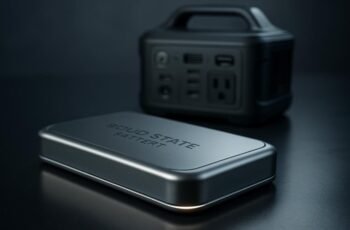
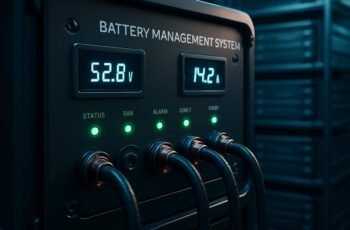
Let’s explore how modular portable power station systems redefine energy storage by linking multiple battery units for greater capacity and efficiency. Their design lets us tailor power output precisely to our needs while advanced monitoring safeguards performance and safety. Understanding how these systems integrate and scale is essential, especially when selecting compatible components and optimizing setup. But what specific advantages do they offer over traditional solutions, and how do we choose the right configuration?
Key Takeaways
- Modular portable power stations allow scalable energy capacity by connecting multiple battery units for tailored power supply needs.
- Integrated management systems monitor battery health, temperature, and charge to ensure safe and reliable performance.
- Compact, stackable designs improve transportability and enable quick deployment in diverse environments.
- Compatibility with renewable energy sources like solar panels enhances sustainability and energy efficiency.
- Advanced algorithms balance load distribution and prevent overload, optimizing power usage across connected units.
What Is a Modular Portable Power Station System?
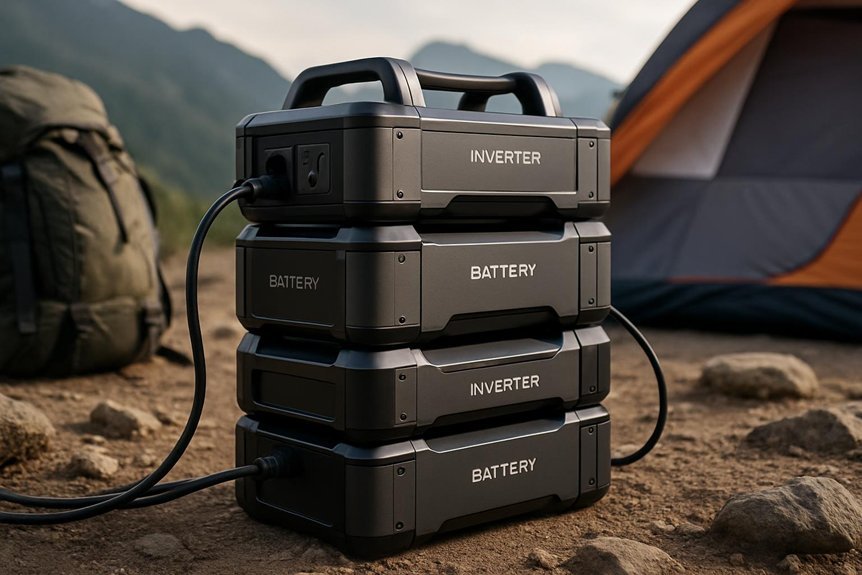
A modular portable power station system consists of interconnected battery units and power management components designed to deliver scalable, reliable energy on demand. By utilizing advanced battery configurations, these systems enhance energy storage and distribution, allowing us to tailor capacity according to specific needs. This modularity boosts energy efficiency by minimizing losses during power transfer and enabling selective activation of battery modules based on load requirements. Additionally, integrated management systems monitor state-of-charge, temperature, and health metrics to maintain peak performance and prolong battery lifespan. Together, these technical features guarantee that the system adapts dynamically to variable power demands without compromising output stability. Understanding this foundation is essential before exploring how modular power stations work together to meet larger energy challenges.
How Modular Power Stations Work Together
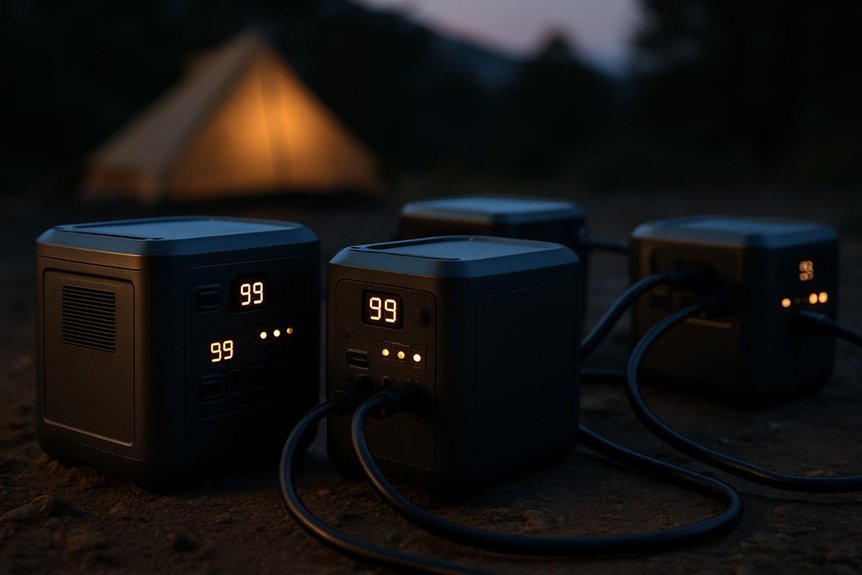
Building on the modular design principles that optimize individual power station performance, connecting multiple units allows us to scale energy capacity and output seamlessly. These interconnected systems communicate via integrated control protocols, ensuring synchronized operation. Advanced power management algorithms balance load distribution and prevent overloads, optimizing efficiency. Through parallel or series connections, voltage and current parameters adjust dynamically to meet demand. This coordination requires precise hardware interfaces and firmware capable of real-time monitoring and fault detection.
Key technical aspects include:
- Real-time load balancing across modules
- Dynamic voltage and current regulation
- Fault isolation and automatic rerouting
- Scalable communication networks between units
- Integrated power management software for system-wide optimization
Together, these features enable modular power stations to function as a cohesive, adaptable energy source.
Key Benefits of Using Modular Power Stations
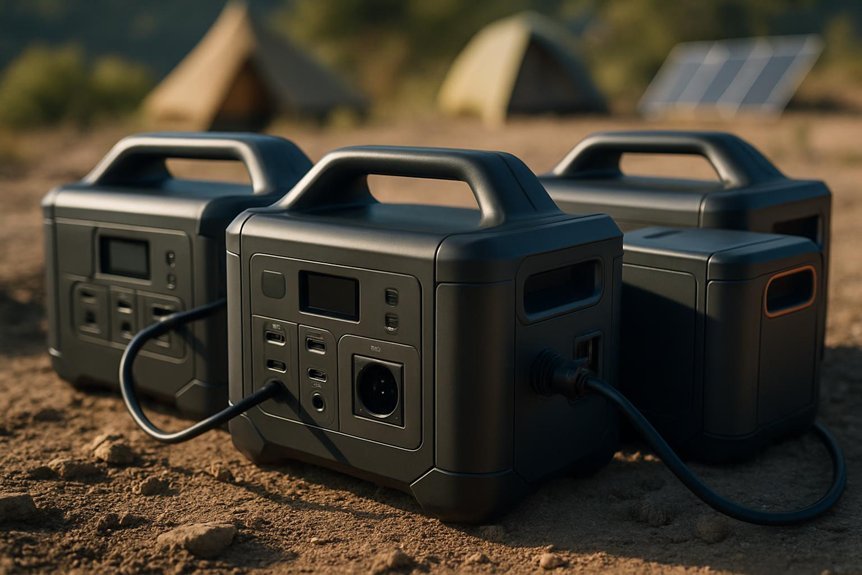
Since modular power stations integrate scalability and control, we gain significant flexibility in managing energy supply tailored to specific needs. This adaptability enhances user experience by allowing precise power adjustment, avoiding overprovisioning and minimizing waste. Modular systems also streamline maintenance and upgrades, reducing downtime and extending operational lifespan. Additionally, their design supports efficient energy utilization, which directly lowers environmental impact by reducing reliance on fossil fuels and minimizing battery disposal. By enabling integration with renewable sources, modular stations promote cleaner energy cycles. The compact, stackable nature of these systems improves transportability and deployment speed, critical for varied application scenarios. Overall, modular power stations offer a technically robust solution that optimizes energy management, user interaction, and sustainability without compromising performance or convenience.
Choosing the Right Battery Modules and Solar Panels
How do we guarantee ideal performance and longevity when selecting battery modules and solar panels for our modular power station systems? We must analyze battery chemistry and solar efficiency meticulously. Choosing batteries with stable chemistry like lithium iron phosphate secures safety and cycle life. Solar panel selection hinges on efficiency ratings and durability under varying conditions.
Ensuring top performance and longevity requires careful analysis of battery chemistry and solar panel efficiency.
Key considerations include:
- Battery chemistry compatibility with system voltage and thermal management
- Solar efficiency relative to panel size and weight constraints
- Cycle life and depth of discharge parameters
- Integrated battery management systems (BMS) for real-time monitoring
- Environmental resilience, including temperature and moisture tolerance
Setting Up and Expanding Your Modular Power Station
Let’s start by outlining the essential steps for properly setting up your modular power station to guarantee peak performance and safety. Once the base unit is operational, we can evaluate how to seamlessly integrate additional battery or solar modules to expand capacity. Understanding the connection protocols and power management will help us scale the system efficiently without compromising stability.
Initial Setup Steps
Before we connect any modules, we need to assure that each component is fully charged and compatible with our existing system to prevent any operational issues. The initial connections must be carefully executed to guarantee proper battery configuration, which is critical for peak performance and safety. We start by verifying module firmware versions and matching voltage ratings. Next, we establish secure mechanical and electrical connections, observing polarity and connection protocols. Calibration of the battery management system follows, aligning parameters with the modular setup. Throughout, we monitor system diagnostics to detect anomalies early.
Key initial setup steps include:
- Confirming full charge on all modules
- Verifying compatibility and firmware versions
- Configuring battery parameters precisely
- Securing all electrical and mechanical connections
- Running diagnostic tests before operation begins
Adding Expansion Modules
Expanding our modular power station requires a systematic approach to integrating additional modules without disrupting the existing system’s stability. First, we must verify module compatibility, ensuring that new units match the voltage, communication protocols, and physical connectors of the base station. This prevents potential electrical conflicts and maintains efficient power distribution. Next, we methodically connect expansion modules, prioritizing secure connections and proper sequencing to avoid system overloads or faults. The expansion benefits are clear: increased capacity, enhanced functionality, and improved redundancy. However, we must monitor system parameters closely during and after integration to detect anomalies early. By adhering to these technical guidelines, we optimize performance and prolong system life, creating a scalable power solution tailored to evolving energy demands.
Comparing Top Modular Power Station Brands
When evaluating modular power station brands, we focus on key performance indicators such as energy capacity, scalability, build quality, and integration capabilities. Evaluating brand performance requires analyzing technical specifications alongside user reviews to gauge real-world reliability and efficiency. We compare how well each brand supports expansion modules and adapts to diverse power demands.
Key factors include:
Key factors include energy density, modular flexibility, durability, renewable compatibility, and responsive customer support.
- Energy density and battery chemistry
- Modular design flexibility and ease of assembly
- Durability under varied environmental conditions
- Compatibility with renewable energy inputs
- Customer support responsiveness and warranty terms
Tips for Maintaining and Maximizing Battery Life
Understanding the performance characteristics of modular power stations naturally leads us to contemplate how to maintain and maximize their battery life. Effective battery care is essential, starting with monitoring state-of-charge levels to avoid deep discharges and overcharging, both of which degrade battery health. We should adopt ideal charging practices, using manufacturer-recommended chargers and avoiding rapid charging modes unless necessary. Maintaining moderate temperatures during charging and storage minimizes thermal stress, which accelerates capacity loss. Regularly calibrating the battery management system guarantees accurate state-of-health readings. Additionally, storing batteries at approximately 50% charge during extended inactivity prevents capacity degradation. By systematically applying these technical strategies, we extend battery lifespan, preserve energy density, and enhance overall system reliability, making sure our modular portable power stations perform efficiently across diverse applications.
Ideal Use Cases for Modular Portable Power Stations
Although modular portable power stations offer versatility, identifying their ideal use cases guarantees we leverage their full potential. These systems excel when flexibility, scalability, and reliability are critical. For camping adventures, their modularity allows us to adjust capacity based on trip length and device needs. In emergency preparedness, they provide dependable power when the grid fails, supporting essential devices without interruption. Additionally, they’re invaluable in field research, outdoor events, mobile workstations, and remote construction sites. Their adaptability to diverse energy demands makes them indispensable in these scenarios.
- Extended camping adventures requiring scalable power supply
- Emergency preparedness for natural disasters and outages
- Field research with variable power consumption
- Outdoor events needing portable, reliable energy
- Remote construction sites lacking grid access
Frequently Asked Questions
How Do Modular Power Stations Handle Extreme Weather Conditions?
We design these systems with weather resilience by integrating robust enclosures and sealing technologies. Their temperature adaptability guarantees peak performance through advanced thermal management, protecting internal components against extreme heat, cold, moisture, and dust effectively.
Can Modular Power Stations Integrate With Home Energy Systems?
Think of modular power stations as puzzle pieces; we integrate them seamlessly with home energy systems, enhancing system compatibility. This fusion drives energy independence, ensuring our homes run efficiently and reliably, even when the grid falters or demand spikes.
What Safety Features Are Included in Modular Power Stations?
We include battery management systems to monitor charge levels and temperature, ensuring safe operation. Overload protection automatically shuts down circuits during excess current, preventing damage. These features collectively enhance reliability and user safety in our designs.
Are There Any Warranty Differences Between Modular and Non-Modular Units?
Yes, warranty coverage often differs; modular units typically offer extended terms due to enhanced unit longevity and component replacement options. We recommend comparing specifics carefully to guarantee ideal protection based on your usage and maintenance expectations.
How Do Modular Power Stations Impact Local Environmental Regulations?
When it comes to regulatory compliance, modular power stations often fit the bill more easily, helping us hit the nail on the head with environmental sustainability by enabling scalable, efficient energy use that meets local environmental regulations precisely.
Conclusion
We recognize some might worry that modular systems are complex to manage, but with advanced monitoring and intuitive controls, they’re surprisingly user-friendly. By customizing capacity and integrating solar panels, we tailor power solutions to your exact needs, ensuring efficiency and reliability. Whether for emergencies or outdoor adventures, modular portable power stations offer scalable, safe energy on demand. Together, we can simplify energy management and empower your mobile lifestyle with precision and confidence.