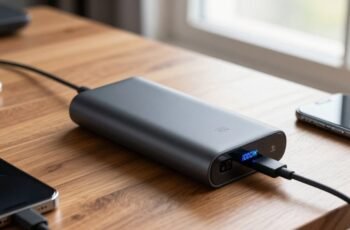
There’s a common assumption that setting up a mobile power station is straightforward, but the reality is more complex and demands a precise understanding of components and safety protocols. Proper selection and assembly are critical to guarantee reliable performance, especially in critical situations like outdoor expeditions or emergencies. As we examine the technical nuances of choosing the right unit and optimizing its operation, it becomes clear that a methodical approach can prevent costly mistakes and maximize efficiency—something worth exploring further.
Key Takeaways
- Assess your power needs and select a station with appropriate capacity, ports, and battery chemistry.
- Follow manufacturer instructions for proper assembly, ensuring all components are undamaged and correctly connected.
- Optimize battery life by maintaining proper charge levels and avoiding deep discharges or extreme temperatures.
- Connect devices within the station’s rated capacity, distributing loads evenly and using surge protection.
- Incorporate solar panels for renewable charging and regular maintenance to ensure reliable operation.
How to Choose the Right Mobile Power Station for Your Needs
Choosing the right mobile power station requires a clear understanding of your specific power needs and usage scenarios. We analyze your load requirements by identifying essential devices, their startup and running wattages, and expected runtime. Capacity considerations are critical; a higher watt-hour (Wh) rating guarantees longer operation but increases size and weight. Battery chemistry impacts performance and longevity, with lithium-ion batteries offering ideal energy density and durability. Input/output options also matter—consider the types and number of ports needed for your devices. Additionally, portability features such as weight, size, and handle design influence usability in field conditions. By systematically evaluating these factors, we can select a power station that perfectly balances capacity, efficiency, and portability, ensuring reliable power tailored to your specific applications.
Essential Components of a Portable Power Setup
Understanding the core components of a portable power setup is essential for effective performance and reliability. We focus on battery capacity and types, power inverter options, and charging and connectivity features to guarantee your system meets specific power demands. Analyzing these elements helps in designing efficient, adaptable mobile power solutions.
Battery Capacity and Types
How does the capacity and type of a battery influence the overall effectiveness of a portable power station? Higher capacity batteries deliver extended runtime, essential for continuous power needs, while the battery type impacts efficiency, lifespan, and safety. For example:
- Lithium-ion batteries offer high energy density and lighter weight, ideal for portability.
- Lead-acid batteries provide cost-effective, reliable power but are heavier and have shorter cycle life.
- Advanced lithium-polymer variants improve safety and form factor flexibility.
Choosing the right combination depends on intended use: larger capacity for prolonged use, or specific chemistry for durability and safety. Battery type and capacity directly define how well a power station meets operational demands, influencing both performance and reliability.
Power Inverter Options
Power inverter options are essential components that determine how efficiently a portable power station converts stored DC energy into usable AC power. The choice of inverter impacts overall system performance, including output waveform quality, efficiency, and load capacity. Pure sine wave inverters provide clean, stable power suitable for sensitive electronics, whereas modified sine wave inverters are more economical but may cause interference or operational issues in certain devices. We analyze inverter ratings carefully, ensuring continuous and peak power limits align with intended load demands. Additionally, thermal management and inverter durability are crucial for prolonged operation under variable conditions. Selecting the right inverter involves balancing cost, efficiency, and application-specific requirements, which ultimately influences the reliability and versatility of the entire portable power setup.
Charging and Connectivity
Effective charging and connectivity options are vital for maximizing the functionality and longevity of a portable power station. Reliable charging methods ensure the unit maintains peak capacity, while diverse connectivity options expand its usability. Key considerations include:
- Input versatility, such as AC, DC, or solar charging, to adapt to various power sources.
- Multiple output ports—USB, AC, and DC—to accommodate different devices simultaneously.
- Robust communication interfaces, like Bluetooth or Wi-Fi, for remote monitoring and control.
Prioritizing these elements enhances operational efficiency and device lifespan. Properly selecting charging inputs prevents overloading, while extensive connectivity ensures seamless integration with other equipment. This technical focus guarantees the power station delivers consistent, versatile performance in diverse environments, making it an essential component of any portable setup.
How to Properly Assemble Your Mobile Power Station
Before beginning the assembly process, it’s essential to review the manufacturer’s instructions and verify that all components are present and undamaged. We recommend systematically inspecting each part, including the battery, inverter, and connectors, to guarantee integrity. Follow a logical sequence: start with the core unit, securely attach modular components, and connect input/output ports according to specifications. Use appropriate tools to tighten connections without over-torquing, which could damage sensitive elements. Confirm that cooling vents are unobstructed and that internal fans are properly aligned. During assembly, handle components with care to prevent static or physical damage. Adhering to these steps ensures a reliable, safe setup, minimizes operational issues, and facilitates seamless integration of your mobile power station into your energy system.
Tips for Maximizing Battery Life and Performance
To optimize battery life and performance, we focus on strategic charging habits and efficient power management. Properly timing charges and avoiding deep discharges help preserve capacity, while managing power consumption guarantees prolonged operation. Implementing these practices allows for consistent, reliable performance of your mobile power station.
Optimize Charging Habits
Have you considered how your charging habits directly influence your power station’s battery longevity and overall performance? Proper charging protocols are essential for optimizing lifespan and efficiency. To maximize battery health, we recommend:
- Avoid fully discharging the battery regularly; keep charges between 20-80% to reduce stress on cells.
- Use a stable, high-quality charger that provides a consistent current, preventing voltage fluctuations that can degrade cells.
- Limit exposure to extreme temperatures during charging, as heat accelerates chemical breakdown within the battery.
Implementing these practices helps preserve capacity and prolongs operational lifespan. Consistent, controlled charging reduces internal stress, minimizing capacity fade over time. This analytical approach ensures the power station maintains peak performance with minimal degradation.
Manage Power Usage
Effective management of power consumption is key to maximizing the lifespan and performance of your mobile power station. To achieve this, we recommend monitoring real-time usage data to identify high-demand periods and optimize load distribution accordingly. Prioritizing essential devices while disabling non-critical functions reduces unnecessary drain. Utilizing power-saving modes, such as dimming displays or reducing inverter output, can markedly extend operational time. Establishing smart scheduling—charging during peak efficiency and discharging only when necessary—limits stress on the battery. Additionally, avoiding deep discharges and maintaining consistent usage patterns help preserve battery chemistry. Implementing these strategies ensures your power station operates efficiently, minimizes wear, and prolongs overall lifespan, providing reliable power when needed most.
Best Practices for Connecting Multiple Devices Safely
When connecting multiple devices to a mobile power station, adhering to safety protocols is crucial to prevent overloads, equipment damage, and potential hazards. We recommend the following best practices:
- Calculate total power draw to ensure it does not exceed the station’s rated capacity, avoiding overloads.
- Prioritize high-wattage devices for direct connection, while lower-power gadgets can be grouped or used with extension cables.
- Use surge protectors or power strips with built-in overload protection to prevent sudden spikes from damaging connected devices.
Monitoring real-time power consumption is essential; it helps prevent exceeding the station’s limits and ensures safe operation. Consistent adherence to these practices minimizes risks and prolongs equipment lifespan.
How to Optimize Power Usage During Your Trips or Emergencies
To maximize the efficiency of your mobile power station during trips or emergencies, it’s essential to implement strategic power management practices. Prioritize critical devices and reduce unnecessary loads to extend operational time. Utilize device-specific power settings, such as low-power modes, to minimize energy consumption. Implement load balancing by distributing power evenly across connected devices, preventing overcurrent strain. Monitor real-time power metrics and adjust usage accordingly to optimize battery health and longevity. Consider integrating energy-efficient appliances and avoiding high-draw devices unless absolutely necessary. Periodically calibrate your power station’s output and confirm proper charging protocols to maintain efficiency. By applying these analytical strategies, you can sustain essential operations longer, mitigate power depletion risks, and enhance overall system reliability in emergency or remote scenarios.
Comparing Portable Power Station Types: Which Is Best for You?
Choosing the right portable power station depends on analyzing several key factors, including capacity, weight, charging options, and intended use cases. When comparing types, we focus on three main categories:
Selecting the ideal portable power station involves assessing capacity, weight, charging options, and your specific usage needs.
- Lithium-ion Battery Systems: Offer high energy density, lightweight design, and fast recharge times, ideal for frequent use and portability.
- Lead-Acid Battery Units: Provide lower cost and robustness, suitable for stationary applications where weight isn’t critical.
- Hybrid Power Stations: Combine different chemistries for optimized performance, balancing capacity, weight, and recharge flexibility.
Understanding these distinctions helps determine which type aligns with your power needs, mobility requirements, and budget constraints. Analyzing technical specifications, such as watt-hour capacity, charge cycles, and input/output options, guarantees selection of the most efficient solution for your specific use case.
Troubleshooting Common Issues With Mobile Power Setups
We often encounter power output fluctuations and charging issues that can compromise mobile power station performance. Identifying the root causes requires precise analysis of load demands and charging circuitry. Addressing these problems systematically guarantees reliable operation and prolongs equipment lifespan.
Power Output Fluctuations
Power output fluctuations in mobile power stations often stem from inconsistent load demands or unstable input sources, which can compromise device performance and safety. These fluctuations can be caused by factors such as sudden changes in connected device power draw, variable input voltage from renewable sources, or internal inverter inefficiencies. To mitigate these issues, we recommend:
- Monitoring load demands continuously to prevent sudden surges.
- Ensuring input sources are stable, with consistent voltage and current.
- Regularly inspecting internal components for signs of wear or overheating that could affect inverter stability.
Charging Issues
Charging issues in mobile power station setups often arise from a variety of technical faults or misconfigurations that hinder efficient energy transfer. Common problems include faulty connections, incompatible charging cables, or degraded batteries. We analyze voltage and current outputs to identify inconsistencies, ensuring the charger supplies the correct voltage. Faulty or loose connectors can cause intermittent charging or complete failure, so inspecting and securing connections is essential. Compatibility issues between chargers and power stations may also prevent proper charging, requiring verification of specifications. Additionally, software or firmware glitches can disrupt charging cycles, necessitating updates or resets. By systematically diagnosing these components, we can isolate faults and optimize the charging process, ensuring reliable power replenishment and extending the lifespan of the equipment.
Enhancing Your Setup With Solar Charging Options
Integrating solar charging options into your mobile power station setup can considerably enhance its independence and sustainability. Solar panels harness renewable energy, reducing reliance on grid power and extending operational capacity in remote locations. To optimize efficiency, consider these key factors:
- Panel wattage and compatibility with your power station’s input specifications.
- Placement and angle to maximize sunlight exposure throughout the day.
- Charge controller quality to regulate voltage and current, preventing overcharging and ensuring longevity.
Maintenance Tips to Ensure Long-Term Reliability
Regular maintenance is essential to guarantee your mobile power station remains reliable over time; neglecting this aspect can lead to decreased performance or unexpected failures. We recommend routinely inspecting battery terminals for corrosion and ensuring connections are secure, as corrosion can impair efficiency. Monitoring battery voltage levels helps prevent over-discharge, which shortens lifespan. Regularly cleaning vents and cooling fans prevents overheating and maintains ideal thermal management. Firmware updates should be applied promptly to address bugs and enhance system performance. Additionally, testing protective circuitry and disconnecting the power station periodically allows for early detection of potential faults. Implementing a scheduled maintenance plan, based on usage patterns and environmental conditions, ensures longevity. Consistent, precise upkeep minimizes downtime and preserves the power station’s operational integrity over extended periods.
Frequently Asked Questions
Can I Use a Mobile Power Station While It’s Charging?
Yes, you can use a mobile power station while it’s charging, but it may reduce charging efficiency and impact the device’s lifespan. We recommend monitoring the power station’s temperature and performance to prevent potential overheating or damage.
What Safety Precautions Should I Take During Setup?
Ever wondered how to guarantee safe setup? We always inspect connections, avoid overloading outlets, and keep the station dry. Isn’t it essential to follow manufacturer instructions closely? These precautions protect both users and equipment from hazards.
How Long Can a Portable Power Station Run Multiple Devices?
A portable power station can typically run multiple devices for several hours, depending on their wattage and the station’s capacity. We analyze load demands and capacity ratings to estimate runtime accurately, ensuring safe, efficient operation for extended periods.
Are There Size or Weight Restrictions for Transport?
We find that size and weight restrictions primarily depend on transportation modes; airlines limit weight, while roads impose size constraints, requiring careful assessment of portable power stations’ dimensions and mass to guarantee compliance during transit.
How Do Weather Conditions Affect Mobile Power Station Performance?
Weather conditions greatly influence performance; extreme cold can diminish battery efficiency, while high temperatures may lead to overheating. We monitor environmental factors carefully, implementing protective measures and adaptive controls to maintain ideal operation and guarantee reliability in changing conditions.
Conclusion
In steering the complexities of mobile power station setups, we see that proper selection, assembly, and maintenance are essential—like tuning a finely crafted instrument. When we comprehend each component’s role and follow best practices, we guarantee reliability and efficiency, transforming a collection of parts into a cohesive system. This meticulous approach is our compass, guiding us through unpredictable environments and empowering us to harness power confidently, like skilled sailors steering through changing tides.