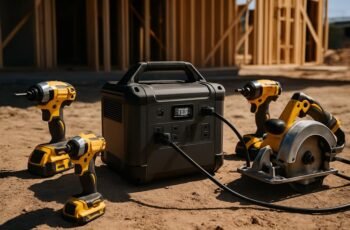
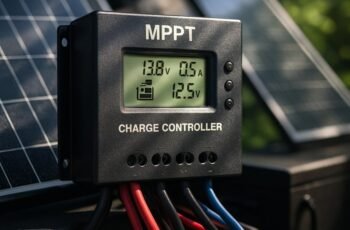
It’s fascinating how portable power stations transform stored chemical energy into stable electricity, making them invaluable during outages. By harnessing advanced lithium-based batteries and sophisticated management systems, they deliver reliable power to sensitive devices without the noise or emissions of traditional generators. Understanding the precise mechanisms behind their operation can help us choose the right solution for our homes—and guarantee we’re prepared when the grid fails.
Key Takeaways
- Portable power stations store electricity in lithium-based batteries, converting chemical energy into electrical power for home backup use.
- They provide stable, clean energy suitable for sensitive devices during power outages.
- Battery capacity in watt-hours determines how long and how many devices can be powered simultaneously.
- Integrated battery management systems monitor and optimize charge, temperature, and discharge for safety and efficiency.
- They offer quiet, fuel-free operation with easy portability, making them ideal alternatives to traditional generators.
How Portable Power Stations Store and Deliver Electricity
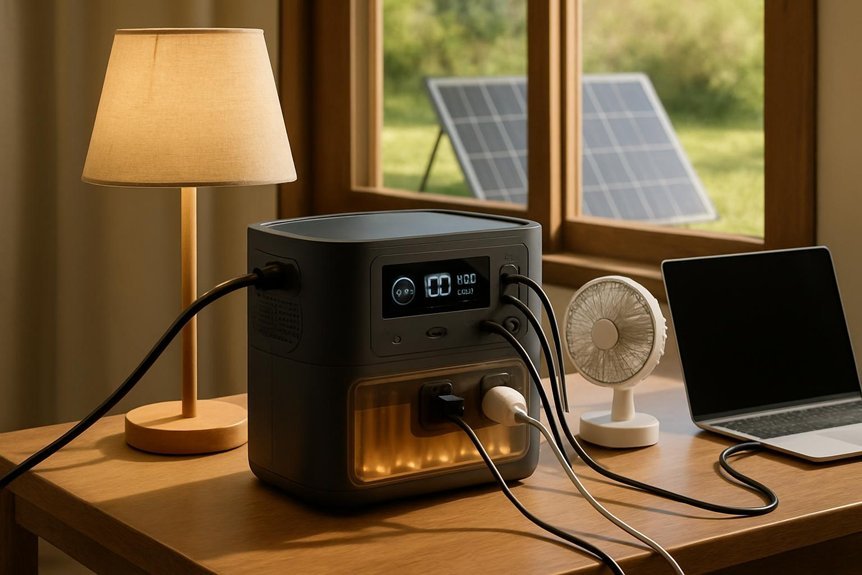
Although portable power stations vary in design, they all store electricity using advanced lithium-ion or lithium iron phosphate batteries that provide high energy density and long cycle life. Understanding battery chemistry is essential because it directly impacts capacity, safety, and longevity. These batteries convert chemical energy into electrical energy through controlled electrochemical reactions. When delivering power, the station’s internal circuitry manages energy conversion, stepping voltage up or down to match device requirements efficiently. This precise control minimizes energy loss and maximizes output stability. Additionally, integrated battery management systems monitor temperature, charge levels, and discharge rates to optimize performance and prevent degradation. By mastering these components, we guarantee that portable power stations reliably store and deliver electricity, meeting the rigorous demands of home backup applications with both efficiency and safety.
What Makes Portable Power Stations Ideal for Home Backup
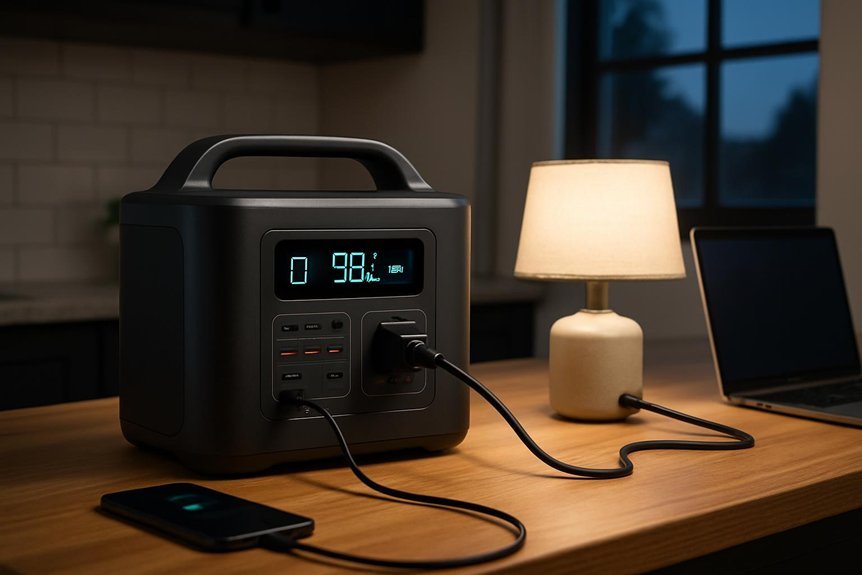
When power outages disrupt our daily routines, portable power stations offer a reliable solution tailored for home backup. Their compact design harnesses portable energy efficiently, enabling rapid deployment without complex installation. This mobility guarantees we can position power stations strategically during emergencies, enhancing our emergency preparedness. Furthermore, these units deliver stable, clean power compatible with sensitive home electronics, preventing damage and data loss. Their rechargeable batteries provide substantial energy reserves, supporting essential devices for extended periods. Integration with renewable sources, like solar panels, further extends autonomy during prolonged outages. By combining portability, reliable energy storage, and user-friendly operation, portable power stations address critical needs in home backup scenarios, making them indispensable tools for maintaining household function and safety when the grid fails.
Key Features to Look for in a Home Backup Power Station
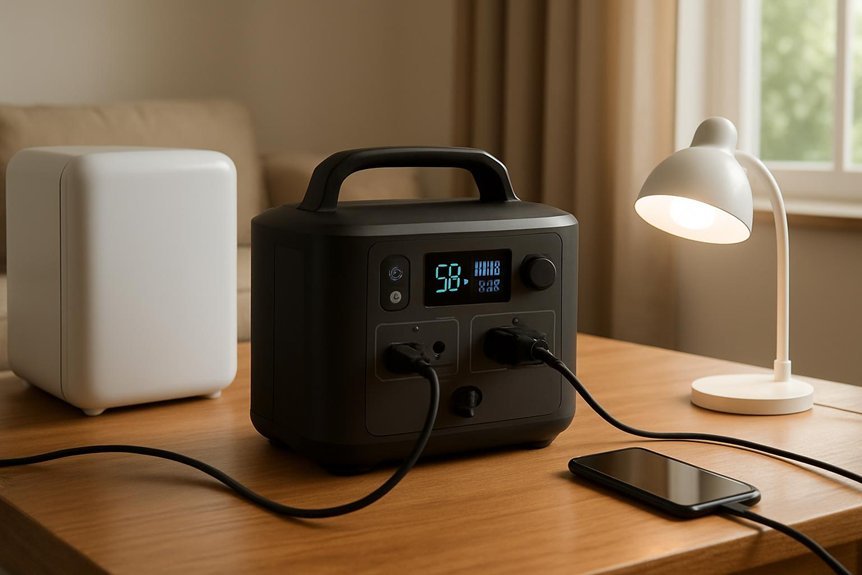
When evaluating a home backup power station, we need to prioritize battery capacity and runtime to guarantee it meets our energy demands during outages. Equally important is the variety and output of ports, which determine how many and what types of devices we can power simultaneously. Focusing on these features helps us select a reliable and versatile unit for our backup needs.
Battery Capacity And Runtime
Anyone considering a home backup power station must prioritize battery capacity and runtime, as these factors directly determine how long the system can sustain essential appliances during an outage. Different battery types—such as lithium-ion, lead-acid, and lithium iron phosphate—offer varying energy densities and lifespans, affecting overall performance. Effective energy management is vital to maximize runtime by balancing load and conserving power. When evaluating capacity and runtime, focus on:
- Total watt-hours (Wh) available to quantify stored energy.
- Discharge rates compatible with your appliances to prevent overload.
- Battery cycle life to understand long-term durability.
Port Variety And Output
Understanding battery capacity and runtime gives us a clear picture of how long a power station can support our home devices, but equally important is examining the variety and output of its ports. A robust port selection guarantees compatibility with various devices, from smartphones and laptops to larger appliances. We should prioritize power stations offering multiple output types—AC outlets, USB-A, USB-C, and 12V DC ports—to maximize versatility. Additionally, analyzing output specifications, such as voltage, current, and wattage ratings, helps us match the power station’s capabilities with our device requirements. For instance, high-wattage AC ports are essential for appliances, while USB-C with Power Delivery supports faster charging for modern electronics. In sum, a well-rounded port variety and output profile directly impact the station’s practicality during power outages.
How to Calculate Your Power Needs for Backup
How much power do we actually need to keep our essential devices running during an outage? To determine this, we must analyze the power consumption of each device by noting its device wattage. Here’s a clear approach:
- List all essential devices you want to power during an outage.
- Record the wattage rating of each device, usually found on the device label or manual.
- Calculate the total wattage by summing these values, then factor in the expected duration of use to estimate total energy requirements.
Common Types of Portable Power Stations for Home Use
We can categorize portable power stations for home use into three primary types based on their battery chemistry and capacity: lithium-ion, lead-acid, and lithium iron phosphate (LiFePO4). Each type suits different needs, influencing runtime, weight, and inverter types. Solar generators often use lithium-ion or LiFePO4 due to their efficiency and weight advantages. Lead-acid units are heavier and less efficient but cost-effective. LiFePO4 offers longer cycle life and enhanced safety. Here’s a comparative overview:
| Type | Battery Life (Cycles) | Weight (kg) | Efficiency (%) | Common Inverter Types |
|---|---|---|---|---|
| Lithium-ion | 500-1,000 | 5-15 | 85-95 | Pure sine wave, Modified |
| Lead-acid | 200-400 | 15-30 | 70-80 | Modified sine wave |
| LiFePO4 | 2,000-5,000 | 10-20 | 90-95 | Pure sine wave |
How to Connect and Use a Portable Power Station Safely
Before connecting a portable power station, we must confirm the device is fully charged and all connections are secure to prevent electrical hazards. Adhering to proper safety precautions and established connection methods guarantees peak performance and user protection. First, verify the compatibility of the power station’s output with your appliances’ voltage and wattage requirements. Second, connect devices directly to the designated AC or DC ports, avoiding unauthorized adapters or extensions that may cause overload. Third, maintain the power station in a dry, ventilated environment to prevent overheating and moisture damage. By rigorously following these steps, we minimize risks such as short circuits, electric shock, and fire hazards. Prioritizing safety precautions during setup safeguards both the equipment and our home environment effectively.
Advantages of Portable Power Stations Over Traditional Generators
Although traditional generators have served as reliable backup power sources for decades, portable power stations offer distinct advantages that better align with modern needs. First, their enhanced safety features greatly reduce risks associated with fuel combustion, carbon monoxide emissions, and electrical faults. Portable power stations use lithium-ion batteries and advanced circuitry, eliminating exposure to combustible fuels and minimizing fire hazards. Additionally, noise levels are considerably lower compared to traditional generators, making them suitable for residential areas without causing disturbances. Their compact and lightweight design improves portability and ease of deployment during emergencies. Moreover, the maintenance requirements are minimal, as they don’t require oil changes or fuel storage. These factors collectively make portable power stations a safer, quieter, and more user-friendly alternative to conventional generators for home backup power.
How Long Can a Portable Power Station Power Your Home?
While portable power stations offer clear safety and convenience benefits over traditional generators, understanding their runtime capabilities is key to evaluating their effectiveness as home backup solutions. The duration a unit can power your home hinges on battery efficiency, power output, and load requirements. To estimate runtime, consider these factors:
- Battery Capacity – Measured in watt-hours (Wh), this determines total energy storage.
- Power Output Demand – The total wattage drawn by connected devices affects how quickly the battery depletes.
- Battery Efficiency – Real-world efficiency, often 80-90%, impacts usable energy due to conversion losses.
Tips to Maximize Battery Life and Efficiency at Home
Because maximizing battery life directly enhances the reliability and cost-effectiveness of our portable power stations, we must adopt specific strategies focused on efficient usage and proper maintenance. First, implementing regular battery maintenance routines, such as keeping charge levels between 20% and 80%, prevents deep discharges and overcharging, which degrade battery health. Second, optimizing energy conservation by prioritizing essential devices reduces unnecessary load, extending operational time and minimizing wear. Additionally, maintaining a stable ambient temperature during storage and use prevents thermal stress, which negatively impacts battery efficiency. Monitoring charge cycles and using manufacturer-recommended charging equipment further sustains battery longevity. By integrating these precise, analytical practices, we guarantee our portable power stations deliver consistent performance for home backup, maximizing both battery life and overall system efficiency.
Frequently Asked Questions
Can Portable Power Stations Be Used During Outdoor Camping Trips?
Yes, we can use portable power stations during camping trips to enjoy camping benefits like reliable energy and convenience. Their power capacity supports charging devices, lighting, and small appliances, enhancing our outdoor experience with efficient, portable energy solutions.
Are Portable Power Stations Safe to Use Indoors With Pets?
We once treated our curious cat like a technician inspecting a new gadget—portable power stations are safe for indoor use with pets when properly ventilated and monitored, ensuring pet safety by preventing overheating and electrical hazards in confined spaces.
How Do Portable Power Stations Perform in Extreme Weather Conditions?
We’ve found portable power stations’ battery efficiency drops considerably in extreme weather conditions due to temperature effects. Cold reduces capacity, while heat accelerates degradation. Proper insulation and temperature control are essential for ideal performance and longevity.
Can I Charge a Portable Power Station With Solar Panels?
We understand some worry about solar panel compatibility, but many portable power stations support it seamlessly. By matching voltage and wattage, we guarantee maximum charging efficiency, making solar panels a reliable, eco-friendly charging method for power stations.
What Maintenance Is Required for Long-Term Storage of Power Stations?
We recommend regular battery care by charging power stations to about 50% before storage. Store them in cool, dry places with stable temperatures, and recharge every three months. These storage tips optimize longevity and performance.
Conclusion
In conclusion, portable power stations offer a precise, reliable solution for home backup, converting stored chemical energy into stable electricity efficiently. As the saying goes, “A stitch in time saves nine”—preparing with the right power station now prevents future disruptions. By understanding your power needs and choosing units with advanced battery management, we guarantee seamless energy supply during outages. Together, we can leverage technology for smarter, cleaner, and safer home backup power.