Understanding how long a CPAP device can run on a portable power station requires analyzing multiple technical factors. From capacity and device consumption to connection quality, each element influences overall runtime. Accurately estimating this duration involves careful calculation and awareness of device-specific variables. As we explore these details, you’ll discover practical strategies to optimize battery life and select suitable power solutions—but first, we need to examine how these systems interact in real-world scenarios.
Key Takeaways
- Calculate runtime by dividing the power station’s watt-hour capacity by the CPAP’s average wattage draw.
- Higher battery capacity and lower CPAP power consumption extend operational time.
- Factors like battery age, efficiency, and environmental conditions can reduce runtime.
- Turning off non-essential features (e.g., humidifiers) conserves energy and prolongs use.
- Accurate estimation requires knowing both the power station’s capacity and the CPAP’s power requirements.
How Do Portable Power Stations Power CPAP Devices?
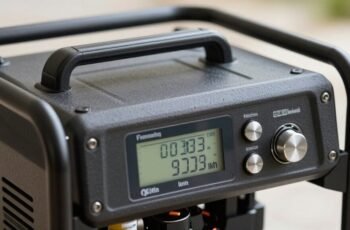
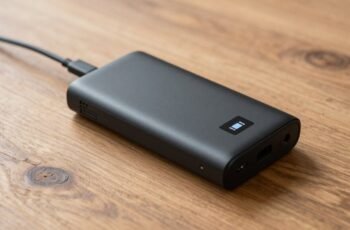
Portable power stations supply power to CPAP devices by converting stored electrical energy into a steady, regulated output suitable for continuous use. Inside the station, a battery stores energy, which is then processed through an inverter or DC converter depending on the power station’s design. The inverter transforms direct current (DC) from the battery into alternating current (AC), matching the voltage and frequency requirements of the CPAP device. Many stations also feature voltage regulation circuitry that maintains consistent output despite fluctuations in battery charge. This process guarantees the CPAP receives a reliable, stable power source, critical for uninterrupted therapy. By precisely controlling voltage and current, portable power stations enable CPAP devices to operate effectively outside traditional power sources, offering mobility and peace of mind.
Factors That Affect CPAP Runtime on Power Stations
While the capacity and design of a power station markedly influence CPAP runtime, several other factors can also impact how long the device operates on a single charge. Battery efficiency and age directly affect energy output, with older or degraded batteries providing diminished runtime. Power station circuitry efficiency determines how effectively stored energy is converted and delivered, influencing overall duration. Additionally, the power draw of the specific CPAP device, including pressure settings and added features like humidifiers, considerably impacts consumption. Environmental conditions, such as temperature fluctuations, can alter battery performance and discharge rates. Ultimately, the quality of cables and connections affects energy transfer efficiency, with poor connections leading to unnecessary power loss. Understanding these factors allows for more accurate runtime expectations and ideal device utilization.
How to Calculate Estimated CPAP Runtime on a Power Station
To accurately estimate CPAP runtime on a power station, we must analyze the device’s power consumption relative to the battery capacity. First, determine the CPAP’s average power draw in watts (W). Next, identify the power station’s total capacity in watt-hours (Wh). Then, divide the battery capacity by the device’s power consumption to estimate runtime.
Key calculations include:
- Average Power Consumption (W): Obtain from the device’s specifications.
- Battery Capacity (Wh): Power station’s capacity, often listed on the device.
- Estimated Runtime (hours): Battery capacity divided by power consumption.
Tips to Maximize CPAP Battery Life During Use
To extend CPAP battery life during operation, optimizing device settings and managing power consumption are essential. Adjusting parameters such as pressure levels and humidity can substantially reduce energy use without compromising performance. Implementing these strategies ensures more efficient use of the power station’s capacity.
Optimize Device Settings
Have you considered that adjusting your CPAP device settings can substantially extend battery life during use? Fine-tuning parameters guarantees efficient power consumption without compromising therapy. Here are three critical adjustments:
- Reduce Ramp Time: Minimizing or disabling ramp time decreases initial power draw, conserving battery during startup.
- Lower Pressure Settings: Using the lowest effective pressure diminishes energy demand, especially during periods of stable breathing.
- Disable Non-Essential Features: Turning off humidification, auto-start, or other auxiliary functions prevents unnecessary power drain.
These modifications enable a more energy-efficient operation, which is essential when relying on limited power sources. Precise calibration of device settings aligns power consumption with therapy requirements, ultimately maximizing runtime during use.
Manage Power Consumption
Effective management of power consumption during CPAP use is essential for maximizing battery life, especially in scenarios where power sources are limited. We should focus on optimizing device settings to reduce energy demand without compromising therapy efficacy. Lowering pressure settings slightly, when medically appropriate, can substantially decrease power draw. Utilizing features like auto-start and auto-off functions can prevent unnecessary power usage during periods of inactivity. Making sure the humidifier is used judiciously—either turned off or set to a lower setting—reduces additional load. Regular maintenance, such as cleaning filters and checking for leaks, guarantees the device operates efficiently, preventing excessive power drain. By systematically controlling these variables, we extend battery life and enhance portability, ensuring consistent therapy in power-constrained environments.
Best Power Stations for Running Your CPAP System
Selecting the best power station for running your CPAP system requires careful consideration of several technical specifications, including battery capacity, output stability, and charging options. To optimize performance and reliability, we focus on units that deliver consistent power and sufficient runtime.
Key features to evaluate include:
- High Battery Capacity: Ensures longer operation without frequent recharging.
- Pure Sine Wave Output: Provides stable, medical-grade power compatible with CPAP devices.
- Multiple Charging Options: Flexibility with AC, solar, or car charging enhances portability and convenience.
These criteria help identify power stations capable of supporting uninterrupted CPAP therapy, vital for travel and extended use. Prioritizing technical robustness ensures safety, efficiency, and peace of mind during sleep therapy.
Common Challenges and Troubleshooting CPAP Power Supply Issues
We often encounter power compatibility concerns and connection issues that can disrupt CPAP operation, making troubleshooting essential. Battery life limitations also pose challenges, especially during extended use, requiring precise monitoring and management. Addressing these issues systematically guarantees reliable performance and minimizes downtime.
Power Compatibility Concerns
Have you ever encountered issues where your CPAP device fails to power on when connected to a portable power station? These power compatibility concerns often stem from several technical factors. First, the voltage mismatch can prevent proper operation if the power station’s output doesn’t match the CPAP’s requirements. Second, insufficient current supply (amperage) may cause the device not to activate, even if voltage levels are correct. Third, the type of power output—pure sine wave versus modified sine wave—can impact compatibility; some CPAPs only operate reliably with a pure sine wave. Addressing these challenges requires precise matching of voltage, current, and waveform type. Proper compatibility guarantees reliable power delivery and prevents potential damage to the device’s internal components.
Battery Life Limitations
Battery life remains a critical limitation when powering a CPAP device with a portable power station, often dictating the duration of effective use. The primary constraint stems from the capacity of the power station’s batteries, which directly influences runtime. Factors such as battery chemistry, capacity (measured in watt-hours), and discharge rates affect longevity. High power draw from CPAP units, especially with humidification features activated, accelerates depletion. Additionally, temperature impacts battery efficiency, with colder environments reducing overall capacity. To optimize runtime, we analyze power consumption patterns and match them to the station’s specifications, aiming for efficient energy use. Nonetheless, inherent limitations in battery technology mean that, without supplementary power sources or reduced device settings, extended use remains challenging.
Troubleshooting Connection Issues
What are the most common connection challenges when powering a CPAP device with a portable power station, and how can these issues be effectively diagnosed and resolved? The primary issues often involve loose connections, incompatible voltage levels, or faulty cables. To troubleshoot:
- Check all connections—ensure power cables are securely attached and free of damage.
- Verify compatibility—confirm the power station’s output voltage and current match the CPAP’s specifications.
- Test cables and adapters—replace any damaged or suspect components to rule out hardware failure.
Addressing these challenges requires a systematic approach, focusing on secure connections, correct power parameters, and reliable hardware. This process minimizes downtime and guarantees consistent operation, essential for effective CPAP therapy when relying on portable power sources.
Frequently Asked Questions
Can I Charge My CPAP Directly From Solar Power Stations?
Yes, you can charge your CPAP directly from solar power stations if they have a suitable DC output or inverter, ensuring the station provides consistent, stable power and matches your device’s voltage and current requirements for safe operation.
What Safety Precautions Should I Take When Using Power Stations With CPAP?
We recommend verifying the power station’s voltage and current compatibility with your CPAP, using surge protectors, and avoiding overloading. Regularly inspect connections and guarantee proper ventilation to prevent overheating and electrical hazards during operation.
Are There Specific Power Station Brands Recommended for CPAP Use?
We recommend brands like Jackery, Goal Zero, and EcoFlow for CPAP use, as they offer reliable, high-capacity power stations with pure sine wave inverters, ensuring stable power and compatibility with medical devices during outages or travel.
How Does Altitude Affect CPAP Runtime on a Power Station?
Altitude can reduce CPAP power station runtime by up to 20%, as decreased air density demands higher pressure, increasing power consumption. We analyze this to optimize performance and guarantee reliable sleep therapy at varying elevations efficiently.
Is It Safe to Run a CPAP Continuously on a Power Station Overnight?
Yes, it’s generally safe to run a CPAP continuously on a power station overnight, provided the station’s capacity exceeds the CPAP’s power requirements, ensuring stable operation without risking device or power source failure.
Conclusion
In conclusion, understanding the interplay between power station capacity and CPAP energy consumption is key to optimizing runtime. Like a finely tuned engine, your setup requires precise calibration and maintenance to run smoothly. By carefully selecting the right power source and adjusting device settings, we guarantee uninterrupted therapy—transforming potential challenges into opportunities for reliable, portable sleep support. After all, in this delicate balance lies the power to breathe easy, anytime and anywhere.