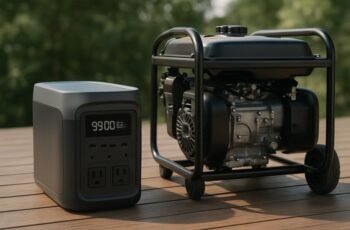
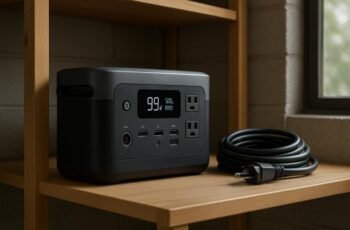
Many people don’t realize that the lifespan of portable power stations hinges as much on how we use and maintain them as on their battery chemistry. Factors like charging habits, load management, and environmental conditions greatly influence battery degradation over time. Understanding these variables is essential if we want to maximize performance and avoid premature replacement. Let’s explore what really determines how long these devices can reliably serve us.
Key Takeaways
- Portable power station battery life depends on battery chemistry, with lithium-ion offering longer cycle life than lead-acid types.
- Frequent deep discharges and high depth of discharge (DoD) significantly reduce battery lifespan and effective cycles.
- Proper charging habits, including consistent moderate charging and compatible chargers, help preserve battery health and longevity.
- Operating within rated load capacity and managing environmental factors like temperature extend the usable life of power stations.
- Signs like reduced run time, longer charging, and physical swelling indicate the need for battery replacement.
What Determines the Battery Life of Portable Power Stations
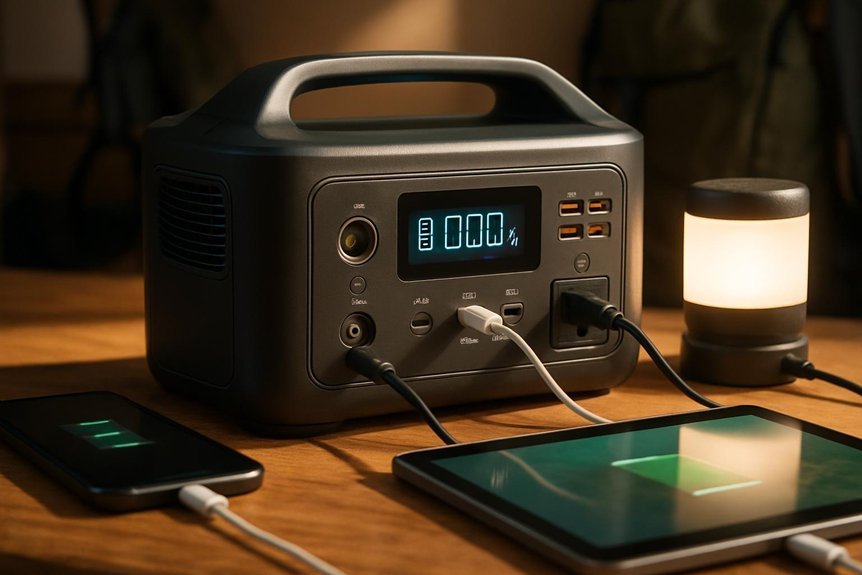
Although many factors influence the overall longevity of portable power stations, the battery’s chemistry, capacity, and usage patterns primarily determine its life span. Battery chemistry directly affects durability; lithium-ion batteries, for example, offer higher energy density and longer cycle life compared to lead-acid alternatives. Load capacity and power output must align with the battery’s design limits to prevent excessive strain. Charge cycles quantify how many full charges and discharges the battery can endure before capacity degrades considerably. Temperature effects play a critical role, as elevated or subzero temperatures accelerate chemical degradation. Discharge rates influence battery stress; higher rates reduce effective life. Maintenance habits, including proper storage and avoiding deep discharges, preserve battery health. Finally, usage frequency impacts cumulative wear, but we’ll explore that next.
How Usage Patterns Affect Power Station Longevity
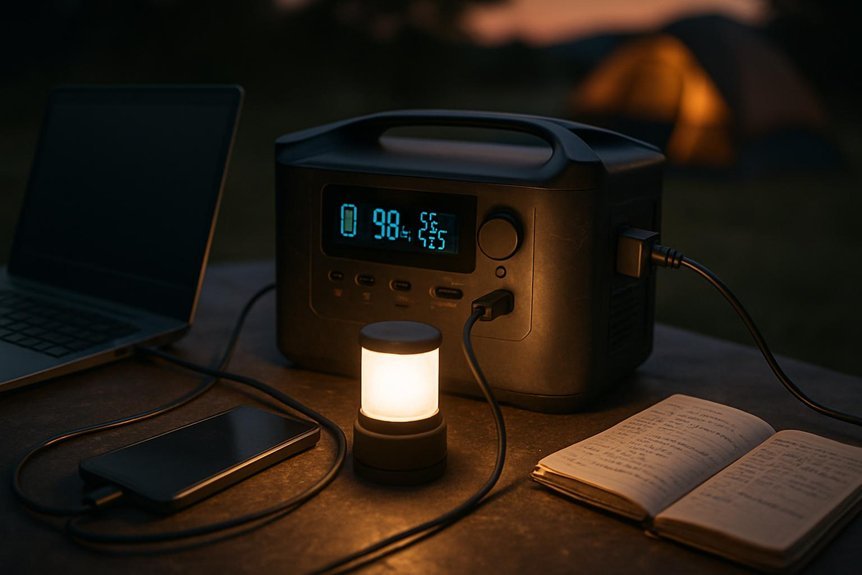
It is understood that frequent deep discharges accelerate battery degradation, reducing overall lifespan. Our charging habits also play an essential role, as inconsistent or improper charging can impair battery health. Additionally, managing the load effectively helps maintain ideal performance and extends the power station’s longevity.
Frequent Deep Discharges
When we frequently discharge a portable power station deeply, the battery undergoes increased stress that accelerates capacity loss over time. This pattern of usage directly contributes to faster battery degradation, shortening the overall lifespan of the unit. Deep discharges push the battery chemistry beyond ideal operating ranges, causing irreversible wear. Key factors to take into account include:
- Depth of discharge (DoD): Higher DoD cycles result in more pronounced capacity fade.
- Cycle count impact: Frequent usage with deep discharges reduces total usable cycles.
- Thermal effects: Deep discharges often generate heat, exacerbating chemical breakdown.
Charging Habits Impact
Since charging practices directly influence battery chemistry and thermal conditions, they play a critical role in determining the longevity of portable power stations. We need to reflect on charging frequency carefully; excessive or irregular charging cycles accelerate capacity degradation by stressing battery cells. Maintaining moderate, consistent charging intervals helps preserve cell integrity over time. Additionally, ensuring device compatibility is essential. Using chargers that match the power station’s voltage and current specifications prevents overvoltage or undervoltage conditions, which can generate heat and cause chemical imbalances in the battery. Incompatible charging equipment often leads to inefficient energy transfer and increased thermal stress, reducing lifespan. By optimizing charging frequency and confirming device compatibility, we can greatly extend the operational life of portable power stations, safeguarding their performance and reliability through proper usage patterns.
Load Management Effects
Although charging habits set the foundation, how we manage loads during usage greatly impacts a portable power station’s longevity. Operating consistently near or above the rated load capacity strains internal components, accelerating wear. To optimize power efficiency and extend lifespan, we should:
- Distribute power demands evenly, avoiding sudden spikes that reduce battery cycle life.
- Prioritize essential devices to prevent overloading and maintain stable output voltage.
- Utilize energy-saving modes or load shedding to minimize unnecessary power draw.
The Role of Battery Type in Lifespan and Performance
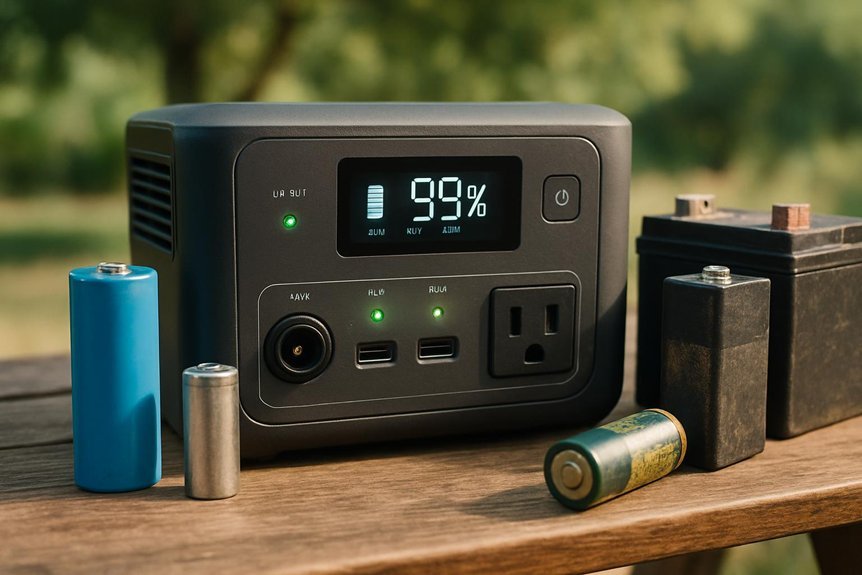
Because the battery type fundamentally determines both the lifespan and performance of a portable power station, understanding its characteristics is essential for making informed choices. Lithium batteries offer significant advantages, including higher energy density, longer cycle life, and reduced temperature sensitivity compared to lead acid alternatives. Lead acid drawbacks include lower energy density, heavier weight, and shorter cycle life, which impact portability and overall durability. Battery chemistry directly influences performance metrics such as discharge rates and depth of discharge tolerance. While lithium units tend to have higher upfront costs, their improved longevity and efficiency often justify the investment. Weight considerations are vital for mobility, favoring lithium types. Additionally, each battery type demands specific maintenance practices, affecting operational lifespan. Analyzing these factors helps us select the best battery chemistry for our power station needs.
How to Properly Maintain Your Portable Power Station
To maximize the lifespan of our portable power stations, we need to follow specific battery charging protocols that prevent overcharging and deep discharge. Maintaining ideal storage temperatures is essential, as extreme heat or cold can degrade battery performance and capacity. Additionally, using the power station regularly helps preserve battery health by preventing cell degradation during prolonged inactivity.
Battery Charging Best Practices
When we charge our portable power stations correctly, we extend their battery life and maintain peak performance. Proper battery charging balances efficiency and longevity, requiring attention to key factors. First, we prioritize solar charging with a compatible MPPT controller to maximize energy harvest without stressing the battery. Second, we monitor inverter efficiency, avoiding excessive draw that reduces charge cycles. Finally, we maintain charging cycles between 20% and 80% state of charge to minimize battery degradation. Following these practices guarantees we optimize the battery chemistry and electronic components for sustained use. Key points:
- Use solar charging with MPPT controllers for steady, efficient input
- Avoid deep discharges and full charges to protect battery health
- Manage inverter loads to prevent efficiency loss during charging
Adhering to these guidelines enhances reliability and lifespan.
Storage Temperature Guidelines
Maintaining ideal battery charging practices sets the foundation for long-lasting portable power stations, but how we store these units between uses plays an equally important role. To preserve battery health, we must control the storage temperature carefully. The perfect temperature for storing portable power stations generally ranges between 15°C and 25°C (59°F to 77°F). Temperatures outside this range accelerate chemical degradation and reduce overall battery capacity. Additionally, storage duration impacts battery longevity; longer storage at inadequate temperatures causes increased self-discharge and potential irreversible damage. We should avoid extreme heat or freezing conditions, as these can compromise internal components. By maintaining the perfect temperature during storage and minimizing extended periods without use, we guarantee our power stations retain peak performance and extend their operational lifespan effectively.
Regular Usage Importance
Although it might seem counterintuitive, regular use greatly enhances the longevity of portable power stations by preventing battery degradation caused by prolonged inactivity. Effective power management and regular maintenance are critical for preserving battery health and ensuring peak performance. To maintain your portable power station properly, we recommend:
- Cycling the battery regularly by discharging it to around 20-30% and then fully recharging to prevent capacity loss.
- Performing periodic inspections to check for corrosion, loose connections, or physical damage.
- Storing the unit in a cool, dry environment with a partial charge (typically 50-70%) to minimize stress on the battery when unused.
Signs Your Portable Power Station Is Nearing End of Life
As we rely more on portable power stations, recognizing the signs that indicate their approaching end of life becomes essential. Key signs of degradation include a noticeable drop in battery performance, such as reduced capacity and shorter run times under typical loads. We may also observe longer charging durations or failure to reach full charge, reflecting internal chemical wear. Additionally, voltage instability during discharge cycles can signal deteriorating cells. Physical indicators like swelling or unusual heat generation during operation further confirm aging. Monitoring these signs of degradation allows us to anticipate failure and plan timely replacement, ensuring uninterrupted power availability. By analyzing performance metrics and physical conditions regularly, we maintain operational reliability and avoid unexpected downtime linked to battery end-of-life issues.
Comparing Lifespans Across Popular Power Station Brands
Recognizing signs that a portable power station is nearing the end of its service life helps us plan replacements effectively, but it also raises the question of how different brands compare in longevity. When conducting brand comparisons, we focus on lifespan metrics such as cycle count, battery chemistry, and warranty duration. These metrics provide quantifiable data to assess durability and reliability.
Key factors include:
- Cycle Life Ratings: Brands like Goal Zero and Jackery typically advertise 500–1000 full charge cycles, influencing lifespan.
- Battery Chemistry: Lithium Iron Phosphate (LiFePO4) batteries in brands like EcoFlow offer higher cycle counts than traditional lithium-ion.
- Warranty Periods: Longer warranties often indicate manufacturer confidence in lifespan.
How Environmental Factors Impact Battery Durability
Because portable power stations rely heavily on their batteries, environmental conditions play a crucial role in determining their durability and overall lifespan. Climate effects, such as temperature extremes, directly impact battery chemistry and capacity retention. High temperatures accelerate chemical reactions inside the cells, causing faster degradation, while low temperatures reduce the battery’s ability to deliver power efficiently. Additionally, humidity influence cannot be overlooked; excessive moisture can lead to internal corrosion and electrical shorts, compromising battery integrity. Consistent exposure to fluctuating environmental conditions exacerbates wear, leading to premature capacity loss. Understanding these factors helps us predict battery performance under varying climates and highlights the significance of controlled storage environments. By analyzing climate effects and humidity influence, we gain insight into optimizing portable power station longevity.
Tips to Extend the Life of Your Portable Power Station
While portable power stations offer convenience and reliability, we can considerably prolong their operational lifespan by adopting specific maintenance and usage practices. Prioritizing battery maintenance is essential for preserving capacity and cycle life. Utilizing solar charging strategically reduces stress on the battery by providing a steady and moderate input current.
To extend your power station’s life, consider these technical tips:
- Store the unit at moderate temperatures to prevent thermal degradation and capacity loss.
- Avoid deep discharges by recharging before the battery reaches critical low levels.
- Use solar charging during daylight hours to maintain ideal charge cycles and reduce reliance on rapid AC charging.
When to Replace Your Portable Power Station Battery?
How do we determine the right time to replace our portable power station battery? We monitor key performance indicators such as reduced capacity, longer charging times, and voltage inconsistencies. When the battery’s effective capacity drops below 70-80% of its original rating, it’s a clear signal for battery replacement. Additionally, if the battery exhibits swelling, leakage, or excessive heat during operation, immediate replacement is essential for safety.
We must also consider warranty considerations before initiating battery replacement. Reviewing the manufacturer’s warranty terms can save costs if the battery failure occurs within the covered period. Beyond warranty, professional diagnostics can confirm the battery’s health and prevent premature replacement. By systematically evaluating these factors, we guarantee peak performance and safety while maximizing the lifespan of our portable power station.
Frequently Asked Questions
Can Portable Power Stations Be Used Indoors Safely?
Yes, we can use portable power stations indoors safely if we guarantee proper indoor ventilation and follow safety precautions. Monitoring airflow and avoiding fuel-powered generators indoors minimizes risks, maintaining safe operation of battery-based power stations in enclosed spaces.
How Long Does It Take to Fully Charge a Portable Power Station?
Charging time varies based on battery capacity and input power. Typically, smaller units take 3-6 hours, while larger ones require 8-12 hours or more. We recommend checking specifications to estimate efficient charging duration accurately.
Are Portable Power Stations Waterproof or Weather-Resistant?
We see rugged devices shielded from rain and dust, but portable power stations vary—some boast waterproof ratings like IP67, while others feature weather-resistant designs. Always check specs carefully to guarantee they meet your outdoor needs precisely.
Can Portable Power Stations Power Sensitive Electronics Like Laptops?
Yes, we can power sensitive electronics like laptops with portable power stations by selecting models with stable output, high battery capacity, and energy efficiency, ensuring consistent voltage and protecting devices from power fluctuations and damage.
What Warranty Options Are Available for Portable Power Stations?
Isn’t it ironic that warranty coverage often outlasts the device itself? We’ve found most portable power stations offer 1-2 years of warranty coverage, coupled with responsive customer support, ensuring technical issues get swift, precise resolution.
Conclusion
Understanding that lithium-ion batteries in portable power stations can retain up to 80% capacity after 500 full charge cycles highlights the importance of proper usage and maintenance. By managing discharge depth, monitoring environmental conditions, and following best charging practices, we can greatly extend battery life. Staying vigilant for signs of wear guarantees timely replacements, optimizing performance and reliability. Let’s apply these insights to maximize our portable power stations’ lifespan effectively and efficiently.