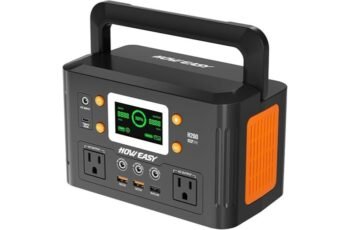
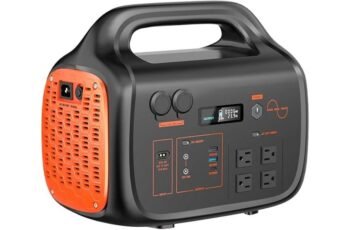
With a 2,048Wh LiFePO₄ battery rated for over 4,000 cycles, the BP3000 pairs long-term durability with 3,200W of continuous output and 6,400W peak capacity. We’ll compare its power delivery, charging options, ports, and sub-10ms UPS transfer with the practical limits of its weight and included 200W solar panel. The key question is whether its performance justifies the trade-offs for backup power and travel.
Key Takeaways
- The BP3000 delivers 3,200W of continuous pure sine wave power, with 6,400W peak capacity for brief startup surges.
- Its 2,048Wh LiFePO₄ battery is rated for over 4,000 cycles; actual runtime depends on the appliances connected.
- Charging options include up to 1,800W AC and 1,000W solar input, but the included 200W panel charges more slowly.
- Four AC outlets and 14 total ports support multiple devices, while sub-10ms UPS transfer helps protect sensitive electronics.
- It suits RV trips, remote work, and outages, but its weight limits portability and fast AC charging may require suitable wiring.
3200W Power Output
With 3200W of continuous pure sine wave output and 6400W peak capacity, the BP3000 can run demanding appliances such as coffee makers, air pumps, and electric saws. We can compare its power capacity with lower-output stations: it supports heavier loads and more demanding equipment, while its peak performance accommodates brief startup surges. That distinction matters when we use tools or appliances whose initial draw exceeds their normal running demand. The 2048Wh LiFePO₄ battery stores energy for RV travel, remote work, or household outages, but runtime depends on the connected load. We should match appliance wattage and expected use to the station’s output and stored energy.
Detailed features
Beyond its 3200W output, the BP3000 offers flexible charging, backup protection, and broad device support. We can compare its key specifications at a glance:
| Feature | BP3000 specification |
|---|---|
| Battery | 2048Wh LiFePO₄; 4,000+ cycles |
| Charging options | 1800W AC; up to 1000W solar |
| Backup and ports | Under-10ms UPS; 14 ports |
| Included accessories | 200W solar panel; ships separately |
The AC selector switches between fast and slow charging to suit circuit capacity. Its MPPT controller tracks panel output as sunlight varies, while compatibility extends to most mainstream panels. Four AC outlets share the 3200W total. During outages, the UPS transfers connected devices to battery power in under 10 milliseconds, supporting continuity for sensitive electronics.
Pros and Cons
We’ll compare the BP3000’s 3200W output, 2048Wh LiFePO₄ battery, and flexible charging options with its practical limitations. Its long cycle life and sub-10ms UPS transfer favor backup use, while its weight and separate panel shipments may complicate transport and delivery. These trade-offs clarify which users are likely to benefit most.
Pros
The BP3000’s strongest advantages are its high output, flexible charging, and long-life battery. Its 3200W pure sine wave output and 6400W peak capacity can handle more demanding appliances than many portable stations, while 14 ports support multiple devices at once. We can recharge it with 1800W AC input or up to 1000W of solar, and the fast/slow selector helps accommodate different circuits. The 2048Wh LiFePO₄ battery is rated for over 4,000 cycles, offering greater longevity than many conventional chemistries. A sub-10-millisecond UPS response, quiet operation, durable construction, and included 200W panel add practical value for backup and off-grid use.
Cons
What trade-offs should we consider? We get substantial output, but the 2048Wh station’s capacity and included panel create practical limits.
| Trade-off | Practical effect |
|---|---|
| Limited portability | Combined weight makes frequent carrying less convenient. |
| Solar dependence | The 200W panel charges slowly; sunlight varies. |
| AC limits | 3200W total may not run larger loads. |
| Separate shipping | Packages may arrive at different times. |
We can charge faster from AC at up to 1800W, but that requires a suitable outlet; older wiring may need the slow setting. Solar input supports up to 1000W, yet the included panel supplies only 200W. Compared with lighter, lower-output units, the BP3000 favors backup capability over easy transport.
Concluding thoughts
For RV trips, remote work, and outages, the BP3000 combines a 2048Wh LiFePO₄ battery with 3200W of continuous AC output, 1800W fast charging, and support for up to 1000W of solar input. We’d choose it over smaller stations when appliances need higher output or several devices need power simultaneously. Its 14 ports, under-10-millisecond UPS, and included 200W panel broaden its practical uses, though the panel’s output is modest beside the station’s maximum solar input. For ideal applications requiring dependable backup and portability, its 4,000-plus-cycle battery supports long term value. We’d still compare capacity and weight with your specific needs.
Frequently Asked Questions
How Long Does the BP3000 Take to Charge From a Wall Outlet?
Wall charging time reaches 80% from empty with 1800W AC input, though the manufacturer doesn’t specify total charging duration. We can select fast or slow AC input speed to suit your circuit’s capacity and avoid overloading older wiring.
Can the BP3000 Charge Using Solar Panels Other Than the Included 200W Panel?
Yes, we can use most mainstream solar panels, not just the included 200W panel. Solar Panel Compatibility is broad, while Maximum Solar Input reaches 1000W through the built-in MPPT controller, which tracks peak output under variable light.
Does the BP3000 Support Pass-Through Charging While Powering Connected Devices?
Yes, we can run Connected Device Power while recharging—the BP3000 supports Pass Through Charging, so your devices needn’t hold a candlelit vigil. Its UPS switches to battery in under 10 milliseconds during outages, unlike slower backups.
Why Might the Solar Panel and Power Station Arrive in Separate Packages?
The solar panel and power station may arrive separately because their combined weight requires separate shipments. We recommend checking shipping updates and package tracking for each parcel, since delivery dates may differ.
How Quickly Does the BP3000 Switch to Battery Backup During a Power Outage?
The BP3000 switches to battery in under 10 milliseconds—faster than a blink. We can compare this transfer speed and backup latency with typical brief interruptions: connected devices may keep running, but performance depends on their requirements.
Conclusion
Overall, we find the BP3000 a capable choice for demanding backup and off-grid use. Its 3200W output, 2048Wh LiFePO₄ battery, and rapid UPS transfer give it an edge over smaller portable stations, while four AC outlets and 14 ports support varied devices. Charging is flexible, but the included 200W panel takes patience, and the unit’s weight limits portability. Think of it as a dependable power hub, not a lightweight travel companion. Check delivery details, since shipments may arrive separately.