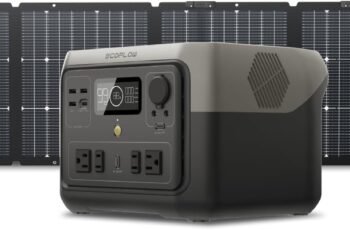
When we pack for a hike, road trip, or power outage, every ounce and watt-hour matters. The EF ECOFLOW TRAIL 200 DC pairs a 192Wh LiFePO4 battery with a 200W output in a compact, lightweight design, plus USB-C ports rated up to 140W. We’ll look at what it can run, how its DC-only setup affects real-world use, and whether its modest capacity is enough for your gear.
Key Takeaways
- The EF ECOFLOW TRAIL 200 DC offers 192Wh of LiFePO4 capacity for phones, lights, and modest camping gear.
- Its 200W running output and 220W total DC ceiling suit essentials, but it cannot power AC appliances.
- Four USB ports include 100W and 140W USB-C options for compatible higher-draw devices.
- Its compact, lightweight design and five-layer battery protection make it convenient for travel and outdoor use.
- Plan for recharging on longer trips, check device power needs, and bring a compatible charging cable.
192Wh LiFePO4 Battery
With a 192Wh LiFePO4 battery, the EcoFlow TRAIL 200 DC gives us compact, rechargeable power for camping, travel, and emergency backup. That capacity suits phones, lights, and other modest DC gear, though we’ll need to manage usage on longer trips. LiFePO4 chemistry helps deliver dependable cycling, and the stated Battery lifespan reaches up to five years. For a pack this small, Energy density matters: we can carry useful reserve power without hauling a bulky station. Its 200W running output supports practical essentials, while the compact build fits easily into a vehicle or camp kit. We should plan recharging around our expected device load.
Detailed features
Four USB ports let us charge a mix of gear: two USB-A outputs rated at 12W, a USB-C port with 100W input and output, and a USB-C PD 3.1 port with 140W input and output. These charging options suit phones, tablets, and higher-draw devices, while the 220W total DC output lets us run several essentials at once. The Portability design keeps the 192Wh unit compact and light enough to carry on hikes or pack for camp. Its LiFePO4 cells pair with an intelligent battery management system and five layers of protection. We get a practical power source for outdoor gear without AC outlets.
Pros and Cons
We’ve found the TRAIL 200 DC’s compact size, 192Wh LiFePO4 battery, and 220W DC output make it easy to carry and useful for essential gear. Its limits matter too: it can’t power AC devices, and you’ll need to supply your own charging cable. Here are the pros and cons to weigh before packing it.
Pros
The TRAIL 200 DC’s biggest advantage is how easily it fits into an outdoor kit: at 48% lighter and 60% smaller than comparable models, it’s simple to carry on hikes or camping trips. That Lightweight Carry matters when we’re already packing food, shelter, and tools. Its 192Wh LiFePO4 battery delivers up to 220W of DC output, enough to run or recharge many essential outdoor devices. Four USB ports let us power several items at once, while the 100W and 140W USB-C ports handle compatible gear. For Outdoor Durability, its protected battery system and UN38.3 drop certification add practical reassurance on demanding trips.
Cons
Although the TRAIL 200 DC is easy to pack, its 192Wh capacity and DC-only output limit what we can run. We’d plan carefully for longer trips and leave AC appliances at home.
| Limitation | What it means | Practical impact |
|---|---|---|
| Limited AC | No AC outlets | Mains-powered gear won’t run |
| 192Wh capacity | Modest stored energy | Recharge sooner |
| 220W DC output | Power ceiling | Check device draw |
| No cable | Charging cable isn’t included | Bring a compatible one |
That missing cable is easy to overlook when packing. Before heading out, we’d confirm every device uses compatible DC or USB power and carry the right charging lead. The TRAIL suits light-duty kits, not broad appliance use.
Concluding thoughts
For a compact, DC-focused setup, the EF ECOFLOW TRAIL 200 DC offers a useful balance of portability and power. Its 192Wh LiFePO4 battery and 220W DC output can keep phones, lights, and compatible camping gear running without adding much weight to our pack. We also appreciate the mix of USB-A and high-output USB-C ports for charging several devices.
We’d choose it for hiking, travel, or backup power when outlets aren’t available, not for appliances that need AC. Check your gear’s power needs and bring a compatible charging cable, since one isn’t included. For outdoor convenience and long term value, its portability, safety features, and six-year warranty make it a practical option.
Frequently Asked Questions
What Comes Included With the EF ECOFLOW TRAIL 200 DC?
The package contents include the EF ECOFLOW TRAIL 200 DC Power station, quick start guide, safety instructions, and warranty card. We’d bring our own charging cable, since one isn’t included, and keep the warranty card handy.
Is a Charging Cable Included in the Package?
No, we don’t get an Included charging cable in the package. Bring your own compatible cable; check the TRAIL 200 DC’s input port and your charger’s connector before packing, so you’re ready to recharge outdoors.
How Long Is the TRAIL 200 DC Warranty?
The TRAIL 200 DC warranty lasts six years. For example, if we take it camping and notice a fault, we can check the Coverage details before seeking support; the Warranty length gives us confidence in long-term gear use.
Can This Power Station Connect to a Smart Home System?
No, we can’t connect the TRAIL 200 DC to a smart home system. It lacks Smart Home Compatibility and Remote Energy Monitoring, so you’ll need to check its ports and battery directly while using gear outdoors.
What Are Its Dimensions and Available Colors?
Its Compact footprint measures approximately 4.88 × 6.56 × 3.72 inches. Color options include black and grey, so we can choose the finish that best suits our outdoor gear and packing setup.
Conclusion
We’d choose the EF ECOFLOW TRAIL 200 DC for trips where every ounce counts and our gear charges by USB. Its 192Wh LiFePO4 battery and 200W output suit phones, lights, and compatible camping devices, while the 100W and 140W USB-C ports add flexibility. The trade-off is clear: DC-only power won’t run AC appliances, and capacity calls for planning. We’d pack a compatible charging cable, since one isn’t included. For lightweight outdoor charging, it’s a practical fit.