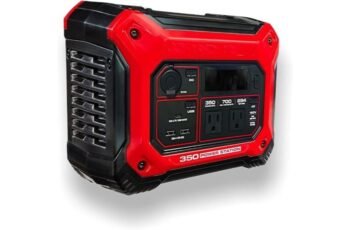
We’ve found that power stations often reach their limits just when we need them most, and the SolarPlay 2400W/2160Wh arrives with enough capacity and output to challenge that pattern. We’ll assess its LiFePO4 battery, charging options, UPS transfer time, and device support, alongside its weight and warranty. Its specifications look capable, but one practical trade-off may determine whether it suits your backup or off-grid setup.
Key Takeaways
- The 2,160Wh capacity and 2,400W rated output can power many household appliances, with 4,800W peak output for brief startup surges.
- Its LiFePO4 battery is rated for over 3,500 cycles, while the estimated 15-year lifespan depends on use and care.
- Adjustable AC charging reaches 1,100W for an approximately two-hour recharge; dual charging is claimed to take about 1.5 hours.
- AC, solar, vehicle, and generator inputs, plus ports for up to 14 devices, support home backup and outdoor use.
- At 21.5kg, it is heavy to transport; solar panels cost extra, and its 18-month warranty is shorter than its estimated battery lifespan.
2160Wh Portable Power Station
With 2,160Wh of capacity and a 2,400W rated output, the SolarPlay power station can run appliances rated up to 2,000W, including kettles, microwaves, hair dryers, electric blankets, and laptops. Its 4,800W peak output accommodates brief startup surges. For a Capacity comparison, 2,160Wh indicates the energy available, while 2,400W describes the maximum continuous load; runtime depends on appliance demand and conversion losses. Battery chemistry matters for longevity: its LiFePO4 cells are rated for more than 3,500 charge-discharge cycles, with an estimated 15-year lifespan. We can assess its 21.5kg weight and stated 23% size reduction against conventional units of similar capacity.
Detailed features
Beyond its 2,160Wh capacity, the SolarPlay Q2501 offers five adjustable AC charging levels—300W, 500W, 700W, 900W, and 1,100W—so you can balance recharge speed and input demand. We can also use solar, vehicle, or generator input.
| Feature | Specification |
|---|---|
| Solar input | 11.5–48V, up to 500W |
| Dual charging | Full charge in about 1.5 hours |
At 1,100W, charging takes approximately two hours. Its LiFePO4 battery supports over 3,500 cycles, supporting battery longevity. A BMS and MCU monitor cell voltage and temperature. We can power up to 14 devices through AC, USB, and DC ports, with 2,400W rated and 4,800W peak output.
Pros and Cons
We’ll weigh the station’s 2,160Wh LiFePO4 battery, 2,400W output, broad port selection, and 0.08-second UPS transfer as key advantages. We’ll also assess trade-offs, including its 21.5kg weight, optional solar panels, and charging times that vary by input method. This comparison will help you judge whether its capacity and features suit your backup or off-grid needs.
Pros
The SolarPlay Q2501’s main advantages are its high capacity, broad device support, and flexible charging options. Its 2,160Wh battery and 2,400W output can run demanding appliances, while multiple ports let us power up to 14 devices.
| Advantage | Practical benefit |
|---|---|
| Long cycle life | LiFePO4 cells support over 3,500 cycles. |
| Versatile charging | AC, solar, car, and generator inputs offer flexibility. |
We can adjust AC input across five levels, and dual charging can deliver a stated full charge in about 1.5 hours. The UPS function switches to battery power within 0.08 seconds during outages. At 21.5kg, the unit is also described as lighter and smaller than conventional products with comparable capacity.
Cons
Despite its broad capabilities, the SolarPlay Q2501 has trade-offs: at 21.5 kg, it’s heavy to carry, and its 2,160Wh capacity comes with a substantial footprint compared with smaller power stations. We should factor in its battery weight when planning frequent transport, especially for camping or car trips. Solar charging also requires a separately purchased panel, adding cost and packing needs; the 500W solar input limit may slow replenishment in weak sunlight. Although adjustable AC input helps manage charging, the fastest rates require suitable power sources. The warranty duration is 18 months, shorter than the battery’s stated lifespan, so we should review support terms before purchase.
Concluding thoughts
Overall, the SolarPlay Q2501 combines a 2,160Wh LiFePO4 battery with 2,400W of rated output, a broad selection of ports, and multiple charging options in a 21.5kg unit. We can run appliances up to 2,000W, charge as many as 14 devices, and use the 0.08-second UPS switch for backup. Five AC input settings, solar compatibility, and dual charging add flexibility, though solar panels are optional. Its 3,500-plus-cycle battery rating supports Everyday reliability and Long term value, but actual lifespan depends on use and care. We’d consider it for home backup or outdoor trips when its weight and capacity fit our needs.
Frequently Asked Questions
Can the Solarplay Power Station Be Used While It Is Charging?
Yes, you can use the SolarPlay while it’s charging, enabling Pass through charging and simultaneous operation. Connect your devices to its outlets or ports while charging through AC, solar, car, or generator input. Its specifications don’t detail output limits during charging.
How Should the Power Station Be Stored When Not in Use?
Store the power station in Cool, dry storage; heat and moisture can damage electronics. For Battery charge maintenance, we recommend checking its level periodically, but the available guidance doesn’t specify an ideal storage charge or interval.
Are Solar Panels Included With the Solarplay Q2501?
No, the Q2501 doesn’t include solar panels; we receive the station and an MC4-to-XT90 cable. For Panel Compatibility, we can connect optional panels rated 11.5–48V, up to 500W, using that cable.
What Should I Do if the Power Station Malfunctions During the Warranty Period?
If your power station malfunctions during the 18-month warranty, contact SolarPlay for return or refund support. Treat the Warranty claim process as opening a service gate; share troubleshooting steps and explain the fault clearly.
Can It Power Medical Devices Such as a CPAP Machine?
Yes, we can power many CPAP machines: the 2,400W output exceeds typical requirements. Medical device compatibility depends on your model and settings; estimate CPAP runtime by dividing 2,160Wh by its wattage, accounting for losses.
Conclusion
The SolarPlay 2400W/2160Wh power station gives us substantial capacity, strong appliance support, and versatile charging in one unit. Its LiFePO4 battery, 0.08-second UPS transfer, and 14-device output make it a capable choice for outages and off-grid use. We should also weigh its 21.5kg bulk, separately purchased solar panels, and 18-month warranty. If we value power over portability, it’s a compelling option; if we need lighter carry or longer coverage, we may want to compare alternatives before buying.