Understanding the true cost of an off-grid solar setup requires analyzing how system size, component quality, and installation complexity interact to influence expenses. While initial investments can range from $5,000 to $15,000, many variables impact this figure, including component selection and ancillary costs. As we explore the main components, budget strategies, and potential savings, you’ll gain insights into designing a reliable system without overspending—crucial factors when planning for long-term energy independence.
Key Takeaways
- Off-grid solar setup costs typically range from $5,000 to $15,000 depending on system size and component quality.
- Solar panels, batteries, and inverters constitute the majority of equipment expenses.
- Installation complexity, location, and additional features influence total project costs.
- Permits, regulatory fees, and ongoing maintenance add to the overall investment.
- Proper system sizing and component selection are essential for cost-effective, long-term reliability.
What Are the Main Components of an Off-Grid Solar System?
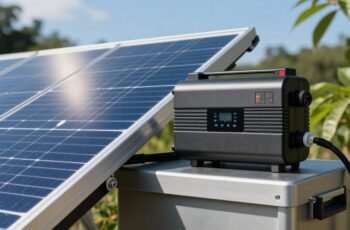
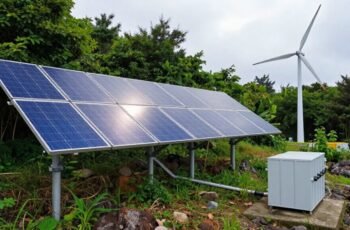
An off-grid solar system comprises several essential components that work together to generate, store, and distribute electricity independently of the utility grid. The core component is the solar photovoltaic (PV) panels, which convert sunlight into DC electricity through photovoltaic cells. This DC power then flows to a charge controller, which regulates voltage and current to prevent battery overcharging. Storage is achieved with deep-cycle batteries, providing a reliable power reserve during low sunlight periods. An inverter converts the stored DC energy into AC power suitable for household use. Finally, wiring and mounting hardware connect these components, ensuring efficient energy transfer and system stability. Each element plays a critical role, and their proper integration determines the overall performance, reliability, and longevity of the off-grid solar setup.
How Much Does Solar Equipment Typically Cost?
The cost of solar equipment for off-grid systems varies considerably based on system size, component quality, and installation complexity. Typically, the hardware expense for a basic setup ranges from $5,000 to $15,000, depending on energy needs. Key cost factors include:
- Solar panels, which account for 40-60% of the total equipment cost, with high-efficiency models at a premium.
- Battery storage, comprising 20-30%, with lithium-ion batteries costing significantly more but offering greater lifespan.
- Power electronics (inverters, charge controllers), representing 10-15%, where advanced models provide increased efficiency and durability.
Understanding these components’ costs helps in creating an accurate budget and evaluating the overall investment required for off-grid independence.
What Factors Influence the Overall Setup Expenses?
Several factors directly impact the total expenses of an off-grid solar setup, beyond just the raw equipment costs. System size is a primary driver, as larger energy demands require higher-capacity components, increasing overall expenditure. The complexity of installation influences costs; more intricate terrain or structural modifications demand additional labor and materials. Component quality and brand reputation also matter—premium inverters and batteries tend to be more reliable but costlier. Location-specific factors, such as local permitting fees, transportation costs, and regional labor rates, further influence expenses. Additionally, system design choices—like including backup generators or advanced monitoring—add layers of cost. Ultimately, these variables combine to shape the total investment, emphasizing that setup costs extend well beyond initial equipment prices alone.
Are There Additional Costs to Consider Beyond Equipment?
Beyond the initial equipment costs, we must account for permits and regulatory fees that can vary considerably by location and impact total expenses. Additionally, ongoing maintenance and eventual replacement of components are essential to sustain system performance over time. Recognizing these factors helps us develop an extensive financial plan for off-grid solar installations.
Permits and Regulatory Fees
Permits and regulatory fees can substantially influence the overall cost of an off-grid solar setup, often adding to the initial investment beyond equipment expenses. These costs vary depending on local jurisdiction, system size, and intended use. Typically, the process involves three key steps:
- Application Fees: Submission of detailed plans incurs fees that cover review and processing, often ranging from $100 to $1,000.
- Inspection Fees: Post-installation inspections ensure compliance, with costs between $50 and $300 depending on complexity.
- Permit Costs: Securing official permits may involve one-time charges or annual licensing fees, which can markedly increase total expenses.
Understanding these fees allows for accurate budgeting and ensures regulatory compliance, preventing costly delays or penalties down the line.
Maintenance and Replacement Expenses
While initial equipment costs are a significant factor, maintaining and replacing components over the system’s lifespan can incur additional expenses that should not be overlooked. Regular maintenance, such as cleaning panels and inspecting connections, helps sustain efficiency and prevent costly failures. Over time, key components like batteries and inverters degrade and require replacement. The following table outlines typical expenses:
| Component | Estimated Lifecycle Cost |
|---|---|
| Batteries | 5-10 years; replacement costs vary by capacity |
| Inverters | 8-15 years; may require upgrades for efficiency gains |
| Solar Panels | 25+ years; minimal replacement needed |
| Wiring & Connectors | Routine inspections; replacement as needed |
| Maintenance Tasks | Annual inspections, cleaning, and system adjustments |
Understanding these ongoing costs enables more accurate budgeting and system optimization.
How Can You Budget Effectively for Your Off-Grid Solar Project?
Effective budgeting for an off-grid solar project requires a detailed understanding of all associated costs and strategic allocation of resources. First, conduct a thorough cost analysis covering equipment, installation, and ongoing maintenance. Second, establish a contingency fund—typically 10-15% of the total budget—to address unforeseen expenses. Third, prioritize component quality to optimize long-term reliability and reduce replacement costs. Incorporate detailed financial modeling that considers projected energy needs, system efficiency, and lifespan estimates. Regularly review and adjust the budget based on project scope changes or new data. This analytical approach ensures resource allocation aligns with technical requirements, minimizes unexpected expenses, and maximizes return on investment. Precise financial planning is essential for sustainable, off-grid solar implementation.
What Are Some Tips to Save Money on Off-Grid Solar Installation?
We can reduce installation costs by considering DIY approaches, provided we have the necessary technical skills and understand safety protocols. Selecting cost-effective components without compromising system efficiency is vital, as it directly impacts long-term performance. Additionally, carefully planning the system size guarantees we avoid overspending on capacity that exceeds our actual energy needs.
Opt for DIY Installation
Opting for DIY installation can considerably reduce overall costs by eliminating labor expenses and allowing for precise control over component selection. To maximize savings and guarantee system integrity, we recommend the following steps:
- Thorough Planning: Conduct detailed site assessments and system design to avoid costly modifications later.
- Skill Development: Acquire technical knowledge through courses or tutorials, reducing errors during assembly that could lead to expensive repairs.
- Use of Proper Tools: Invest in quality tools tailored for electrical work and mounting, which enhances safety and efficiency.
This approach requires meticulous preparation and technical competence but offers significant financial benefits. A well-executed DIY installation minimizes unforeseen expenses and provides a deeper understanding of the system’s operation, guaranteeing long-term performance and reliability.
Choose Cost-Effective Components
How can selecting the right components considerably reduce the overall cost of an off-grid solar system? By carefully choosing components with cost-to-performance ratios that are most advantageous, we minimize unnecessary expenses. For instance, selecting appropriately rated panels prevents over-investment in capacity that exceeds energy requirements, reducing upfront costs. Similarly, opting for efficient, durable inverters and charge controllers ensures long-term reliability without overpaying for excess capacity. Using off-the-shelf, standardized parts also cuts costs compared to custom solutions. We should prioritize components with proven track records for longevity and efficiency, which reduces maintenance and replacement expenses over time. By focusing on balanced, quality components tailored to actual load demands, we optimize system performance while avoiding overbuilding, leading to significant savings without sacrificing reliability.
Plan System Size Carefully
Careful planning of the system size is essential to avoid unnecessary expenditures and guarantee cost-effective off-grid solar installation. To optimize system sizing, we recommend the following steps:
- Conduct a thorough energy audit to determine actual daily consumption, avoiding overestimation that leads to oversizing.
- Incorporate future load growth projections to prevent under-sizing, which can cause system upgrades later.
- Balance component selection by choosing efficient batteries, inverters, and panels that match your energy needs without excess capacity, reducing overall costs.
Frequently Asked Questions
How Long Does an Off-Grid Solar System Typically Last?
We typically find off-grid solar systems last between 25 to 30 years, with proper maintenance, high-quality components, and regular battery replacements ensuring longevity. System lifespan depends on component quality, usage, and environmental conditions.
What Maintenance Is Required for Off-Grid Solar Setups?
We perform regular inspections of panels, clean surfaces to maximize efficiency, check battery health periodically, and guarantee inverter connections are secure. Proper maintenance extends system lifespan, optimizes performance, and prevents costly repairs, ensuring reliable off-grid power.
Are There Government Incentives for Off-Grid Solar Installations?
Yes, government incentives for off-grid solar installations are available, which can considerably offset costs. We advise thoroughly researching local, regional, and national programs, as these incentives can make your investment more feasible and provide substantial financial relief.
Can Off-Grid Solar Systems Be Expanded Later?
Yes, off-grid solar systems can be expanded later by adding additional panels or batteries, provided the initial system is designed with scalability in mind. Proper planning guarantees seamless integration and maintains system efficiency during future upgrades.
How Does Climate Affect Off-Grid Solar System Efficiency?
Climate influences off-grid solar efficiency considerably; extreme cold reduces panel performance, while high temperatures may cause overheating. We analyze local weather patterns to optimize system design, ensuring reliable energy regardless of environmental fluctuations.
Conclusion
In summary, understanding the detailed costs and factors involved in off-grid solar setups empowers us to make strategic decisions and avoid financial pitfalls. By carefully selecting components, planning for future expansion, and considering all ancillary expenses, we can optimize our investment for reliability and efficiency. With meticulous budgeting and smart choices, our off-grid solar system can become a powerhouse that outlasts even the most formidable challenges—truly a solar solution that stands the test of time and nature’s fury.